Formula details
Product Details
Overview
What Is a Plastic Vial Container?
Definition and Core Purpose of Plastic Vial Containers
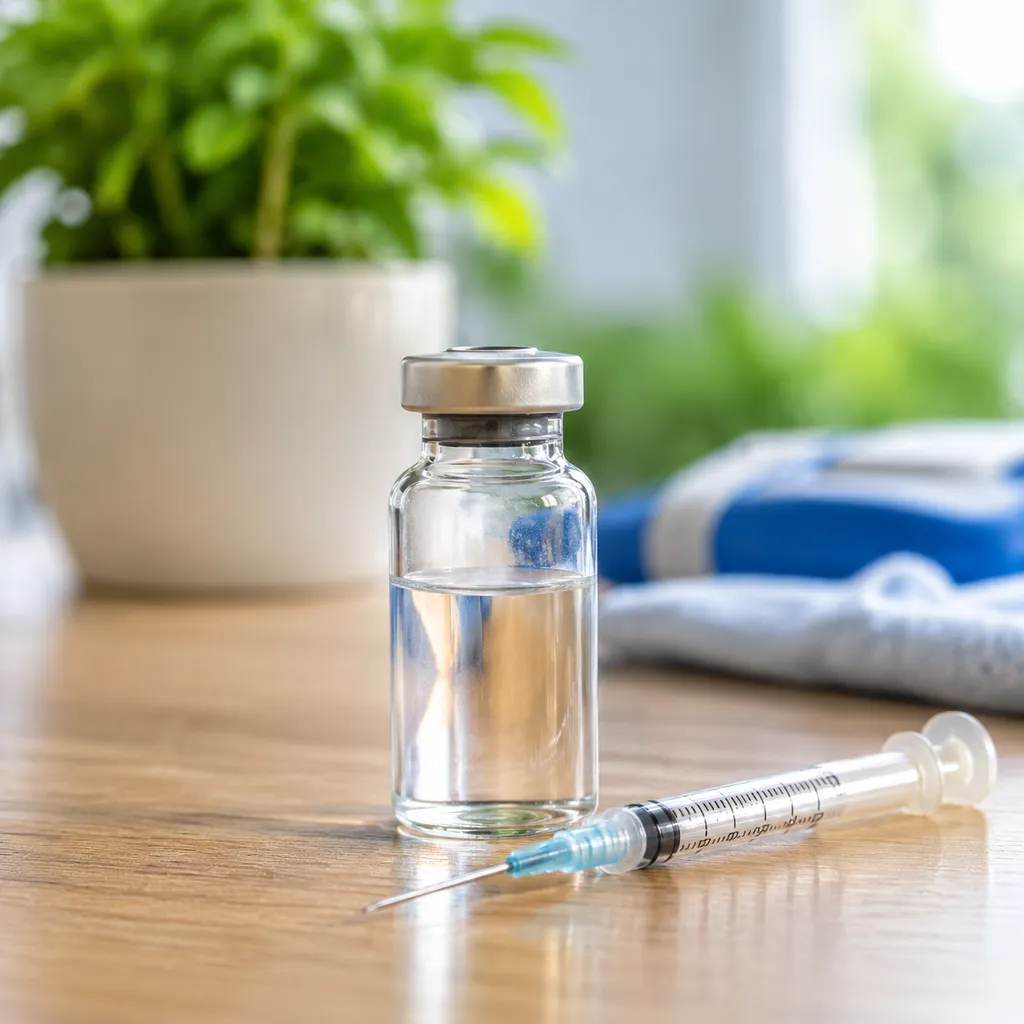
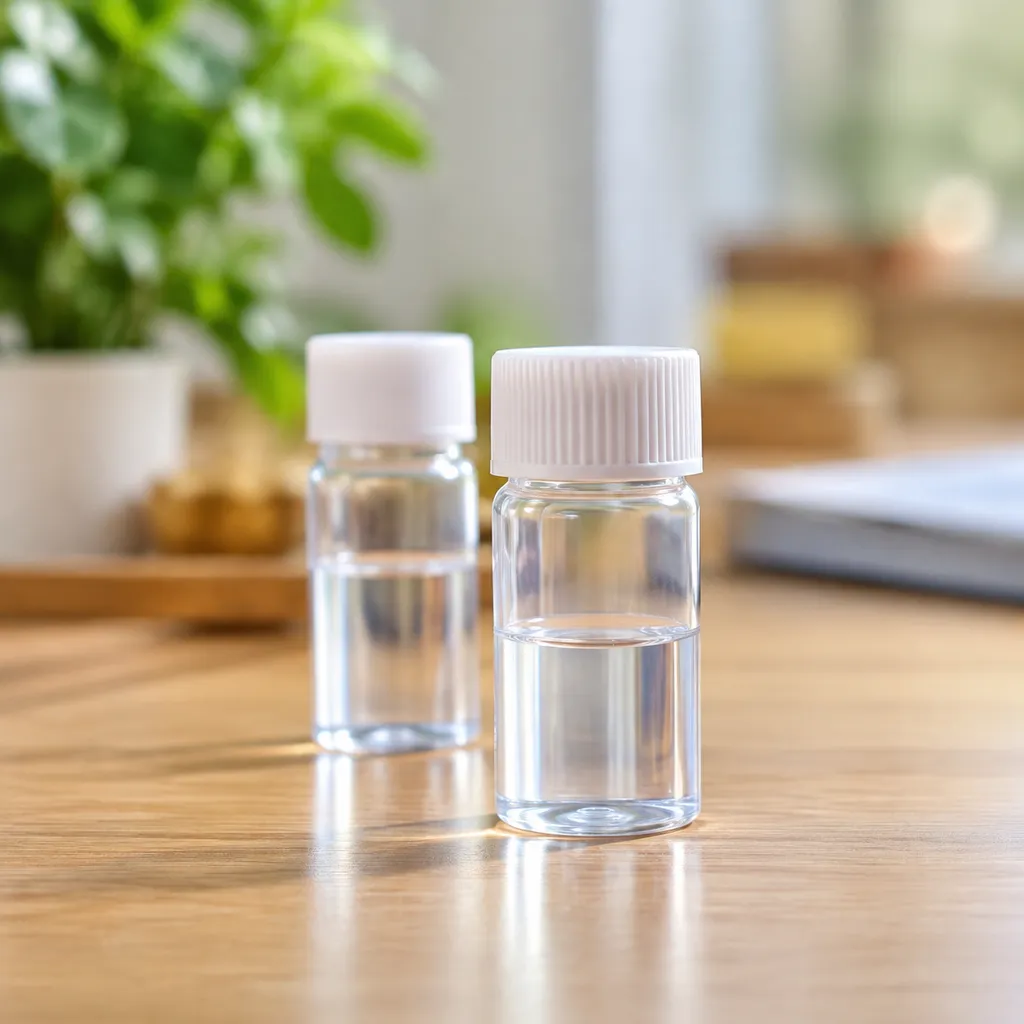
A plastic vial container is a small, cylindrical vessel made from medical-grade polymers like polypropylene (PP), polystyrene (PS), polyethylene (PE), COP, COC, or PETG. Unlike bulky storage tubs, these containers are built for exact volume control, tight dimensional tolerances (up to ±0.02 mm), and secure containment.
Our plastic vial solutions serve three primary purposes:
Contamination Control: Produced in ISO Class 7 and Class 8 cleanrooms—including sterile-ready RTU (Ready-to-Use) vials—to keep aseptic workflows free from particulates and bioburden.
Transit and Storage Protection: Durable plastic vial boxes and trays hold individual vials firmly in place, preventing tipping, impact damage, and batch mix-ups.
Automated Line Compatibility: High-precision molding allows every vial, tray, and holder to feed smoothly through high-speed filling and diagnostic equipment without jamming.
How Plastic Vials Differ from Glass Vials and Standard Plastic Bottles
Buyers often weigh plastic vials against traditional glass or everyday retail bottles. Each option solves a completely different operational problem:
| Packaging Type | Breakage & Safety | Dimensional Precision | Primary Use Case |
|---|---|---|---|
| Plastic Vial Containers | Shatter-resistant and lightweight for cold-chain and shipping | High precision (±0.02 mm) for racks and automated filling lines | Clinical labs, pharmaceuticals, diagnostics, and aseptic filling |
| Glass Vials | Fragile; risks shattering, product loss, and sharp debris | Moderate; requires cushioned trays to prevent glass-on-glass contact | Long-term chemical stability when paired with protective plastic trays |
| Standard Plastic Bottles | Durable, but bulky with looser manufacturing tolerances | Low; not engineered for precision lab racks or automated nests | General retail liquids, bulk supplements, and household goods |
Key Industries That Rely on Plastic Vial Packaging
Because we manufacture under strict USP Class VI material standards with full batch traceability, global buyers across technical and commercial sectors depend on our plastic vial packaging:
- Pharmaceuticals & Biotechnology: For sterile-ready RTU vials, cold-chain biologics storage, and regulatory-compliant drug containment.
- Diagnostics & Clinical Laboratories: For organized sample collection, reagent storage, and automated analyzer trays.
- Healthcare Facilities: For hygienic, single-dose medication handling and secure specimen transport.
- Cosmetics & Specialty Formulations: For protective sample vials, serums, and shatterproof travel-sized packaging.
- Custom Engineering & Small-Item Organization: For precision OEM/ODM containment where exact sizing, durability, and secure storage matter most.
Common Types of Plastic Vial Containers by Closure Style
Choosing the wrong lid is the fastest way to ruin a batch of samples or deal with messy leaks in transit. When we help buyers source plastic vial containers for laboratories, pharmaceutical lines, and storage workflows, the closure style is always the first detail we lock down. Your lid determines how fast your team can access the contents, whether liquids stay sealed under pressure, and how well your packaging integrates with automated handling systems.
Here is how the main closure styles compare across everyday applications:
| Closure Style | Primary Seal Strength | Best Use Cases | Key Advantage |
|---|---|---|---|
| Flip-Top (Hinged Cap) | Moisture-resistant | Lab samples, reagents, dry solids | One-handed operation; cap never gets lost |
| Screw-Cap | Leak-proof | Liquids, reagents, fine powders | Tight threaded seal for transit and cold-chain storage |
| Snap-Cap | Dust- and moisture-tight | Pills, dry goods, diagnostic samples | Fast push-on assembly for high-speed workflows |
| Child-Resistant (CR) | Safety-locked | Prescription medications, regulated products | Push-and-turn safety compliance |
| Dropper & Orifice Reducer | Controlled flow | Liquid reagents, diagnostic drops | Precision single-drop dispensing without spills |
Flip-Top Plastic Vials for Quick One-Handed Access
If your technicians or end users are constantly opening and closing containers while holding tools or pipettes, flip-top plastic vials save serious time. Because the hinged lid stays permanently attached to the vial body, you never have to worry about dropped caps getting contaminated on a lab bench or mixed up between batches. They snap shut with a firm click, giving you reliable moisture protection for routine diagnostic samples and dry materials.
Screw-Cap Plastic Vials for Leak-Proof Liquid and Powder Storage
When you are shipping liquids, sensitive reagents, or fine powders across long distances, screw-cap plastic vials are the safest choice. The continuous threaded neck creates a tight mechanical seal that holds up against vibration, temperature shifts, and cold-chain transport. In high-precision manufacturing, we produce these with tight dimensional tolerances so they run smoothly through automated capping and filling lines without cross-threading.
Snap-Cap Plastic Vials for Dry Goods, Pills, and Lab Samples
Snap-cap vials use a simple friction-fit lid that presses straight down onto the rim. They are built for speed and simplicity, making them ideal for solid tablets, dry reagents, and general laboratory specimen storage where heavy liquid pressure is not a factor. To keep these containers organized during bulk transport or automated handling, many facilities pair them with custom plastic vial trays for pharma and lab storage to prevent tipping and surface scuffing.
Child-Resistant (CR) Pharmacy Vials for Prescription Medications
For dispensaries, pharmacies, and regulated healthcare products, standard caps will not pass compliance checks. Child-resistant plastic vial containers require a specific push-and-turn or squeeze-and-turn motion that keeps hazardous medications out of reach of children while remaining manageable for adults. When sourcing https://ntjhpackage.com/product/pill-vialhttps://ntjhpackage.com/product/pill-vial-packaging-for-child-resistant-bulk-vials/">pill vial packaging for child-resistant bulk vials, reliable molding precision ensures the safety locking mechanism engages consistently on every single unit.
Dropper and Orifice Reducer Plastic Vials for Controlled Dispensing
Sometimes pouring straight from an open neck creates too much waste or cross-contamination risk. Dropper vials and containers fitted with orifice reducers restrict the opening so users can dispense exact, repeatable drops or small measured amounts. These work especially well for diagnostic reagents, testing solutions, and liquid formulations where controlled application protects both the user and the remaining product inside the container.
Plastic Vial Container Materials: Polypropylene vs. Polystyrene vs. PET
Polypropylene (PP): Chemical Resistance and Durability
When buyers need a workhorse polypropylene vial container for harsh reagents or cold-chain storage, PP is our go-to recommendation.
Broad chemical compatibility: Resists acids, bases, and organic solvents without degrading or reacting with stored liquids.
Impact and temperature resilience: Stays flexible enough to absorb drops without shattering and handles demanding thermal cycles in laboratory and pharmaceutical workflows.
Automation-ready precision: Holds tight dimensional tolerances up to ±0.02 mm so containers glide smoothly through high-speed filling lines.
Polystyrene (PS): Crystal-Clear Visibility for Dry Samples
If your team needs to inspect contents visually without unsealing the container, Polystyrene delivers glass-like optical clarity at a fraction of the weight.
Clear sample inspection: Ideal for dry diagnostic reagents, powders, and solid samples where quick visual verification matters.
Rigid structural stability: Maintains a firm, crisp shape in storage racks, trays, and shipping boxes.
Cleanroom purity: Produced under continuous particulate monitoring to keep dry formulations free from surface contamination.
PETG and Polyethylene (PE): Shatterproof Strength and Barrier Protection
While standard retail packaging often relies on basic PET or HDPE, pharmaceutical and biotech applications demand higher purity and tighter tolerances. We use medical-grade PETG and PE (alongside advanced COP and COC resins) to protect sensitive biologics and moisture-prone compounds.
Shatterproof transit protection: High impact strength prevents breakage during global freight and cold-chain distribution.
Reliable moisture barriers: Protects hygroscopic powders and sensitive formulations from humidity shifts.
Sterile-ready integration: Engineered for seamless pairing with https://ntjhpackage.com/https://ntjhpackage.com/product/pre-sterilized-rtu-vials-and-modular-vial-systems/">pre-sterilized RTU vials and modular vial systems to cut secondary contamination risks.
Quick Material Comparison for Plastic Vial Containers
| Material | Optical Clarity | Impact Strength | Chemical Resistance | Best Use Case |
|---|---|---|---|---|
| Polypropylene (PP) | Translucent | High (Flexible) | Excellent | Liquid reagents, cold-chain storage, automated filling |
| Polystyrene (PS) | Crystal-Clear | Moderate (Rigid) | Good (Dry goods) | Visual inspection, dry lab samples, diagnostic kits |
| PETG / PE | Clear (PETG) / Translucent (PE) | Very High | Very Good | Shatterproof transit, moisture barriers, custom trays |
USP Class VI Medical-Grade Compliance
Every plastic vial container, tray, and protective box we mold uses certified USP Class VI compliant medical-grade polymers (PP, PE, COP, COC, PETG, and PS). Whether you are sourcing standard components or developing https://ntjhpackage.com/custom-vial-packaging-design-with-inserts-https://ntjhpackage.com/custom-vial-packaging-design-with-inserts-and-compliance/">custom vial packaging with precision inserts, we back every production run with full batch traceability, bioburden testing, and material compliance documentation ready for global regulatory audits.
Standard Plastic Vial Sizes and Capacity Guide

| Vial Size Tier | Common Volume / Dram | Typical Applications |
|---|---|---|
| Micro & Small | 0.5 mL to 5 mL | Diagnostic reagents, serums, lab samples, essential oils |
| Medium Capacity | 10 mL to 30 mL | Travel portions, supplements, pills, dry spices |
| Large Dram Sizes | 6 dram to 60 dram | Bulk storage, dry goods, pharmacy packaging |
Micro and Small-Volume Vials (0.5 mL to 5 mL)
Small sample vials handle high-value liquids where precision matters most. We design high-stability trays and boxes specifically for these compact formats so delicate doses stay upright during cold-chain transit and high-speed filling.
- 0.5 mL to 2 mL: Built for diagnostic reagents, serums, and concentrated lab samples. Storing these safely in a dedicated https://ntjhpackage.com/product/2ml-vial-box-for-lab-storagehttps://ntjhpackage.com/product/2ml-vial-box-for-lab-storage-and-serum-packaging/">2ml vial box for lab storage and serum packaging prevents tipping, cross-contamination, and breakage.
- 3 mL to 5 mL: Ideal for testing aliquots, small oil samples, and sterile-ready aseptic workflows.
Medium-Capacity Vials (10 mL to 30 mL)
When you need extra volume without bulky packaging, medium plastic vial containers hit the sweet spot.
- 10 mL to 15 mL: Common for multi-dose liquids, travel-sized portions, and daily supplement packs.
- 20 mL to 30 mL: Practical for larger reagent batches, pills, and dry ingredients.
Large Dram-Sized Plastic Vials (6 Dram to 60 Dram)
In pharmacy and bulk storage setups, capacity is often measured in drams (1 fluid dram equals roughly 3.7 mL). Larger dram containers give you room for bulk dry goods, tablets, or organized component storage while remaining lightweight and shatter-resistant.
- 6 to 13 Dram: Standard footprint for smaller tablet counts and dry sample storage.
- 20 to 60 Dram: High-capacity bulk plastic storage vials built for large quantities and secure batch organization.
How to Measure Vial Dimensions
Getting exact measurements before ordering custom trays, holders, or containers guarantees a snug fit without rattling or jamming. Always measure three core points:
- Height: Measure from the flat base of the vial straight up to the top rim (and measure with the cap on if you are sizing protective outer boxes).
- Outer & Inner Diameter: Check the outer width so the vial drops cleanly into tray cavities, and check the inner opening width for filling nozzles.
- Neck Finish: Measure the outer diameter of the threaded or snap-top rim to match the exact closure style.
Top Uses for Plastic Vial Containers Across Industries
Medical, Clinical Laboratory, and Specimen Collection Applications
Healthcare facilities, biotech labs, and diagnostic centers rely heavily on sterile, traceable containment. Any flaw in a container risks sample degradation or secondary contamination.
- Aseptic Filling & RTU Workflows: Our Ready-to-Use (RTU) vials arrive pre-sterilized and ready for automated filling lines, cutting out extra washing and sterilization steps while protecting bioburden limits.
- Cold-Chain & Diagnostics Storage: Durable plastic vial boxes and trays keep diagnostic reagents, biologics, and clinical specimens upright and organized during ultra-cold storage and transit.
- Batch Traceability: Every production run includes full dimensional inspection and material documentation so clinical teams can track samples from collection to testing without guesswork.
Daily Pill Organizers, Supplements, and Travel-Sized Toiletries
Consumers and pharmaceutical packagers need lightweight, portable containers that survive daily drops inside bags and luggage.
- Prescription & Supplement Storage: Medical-grade PP and PETG vial containers protect tablets, capsules, and powdered supplements from moisture and physical crushing.
- Travel Portions & Liquids: Compact, high-tolerance plastic vials hold travel-sized serums, creams, and liquid doses securely without leaking during air travel.
Bead, Seed, Glitter, and Small Hardware Organization
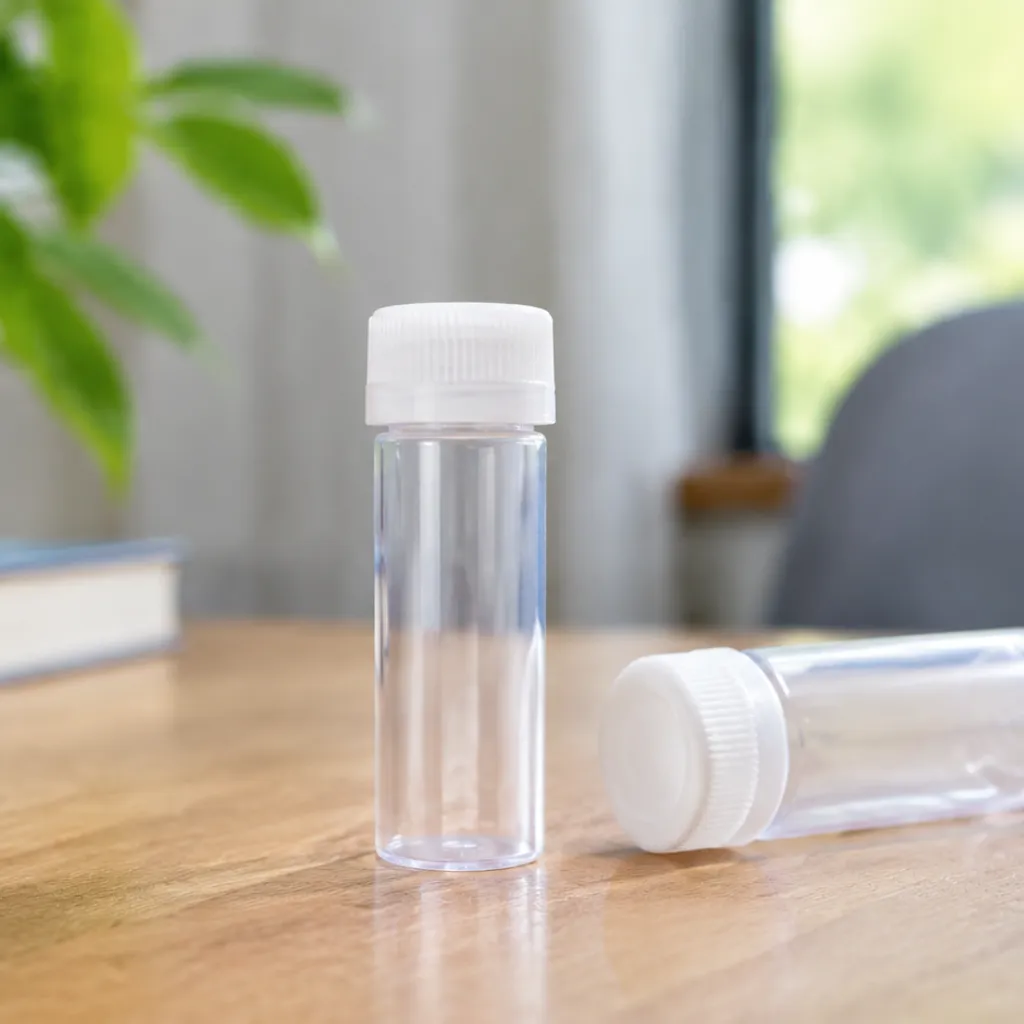
Small components create massive messes when flimsy bags tear or lids pop open. Crafters, growers, and manufacturers use rigid plastic storage tubes and trays to keep tiny parts sorted.
- Craft & Hobby Supplies: Clear PS and PETG containers let makers see exact colors and quantities of beads, glitter, and findings at a glance while stacking neatly on workbenches.
- Seeds & Micro-Hardware: Moisture-resistant polypropylene vials keep agricultural seeds dry and organize tiny screws, pins, and electronic components on assembly lines.
Regulated Dry Goods and Compliant Dispensary Packaging
Retailers handling regulated botanical products or specialty dry goods require secure, uniform packaging that protects freshness and meets strict handling standards.
- Consistent Sizing for Automated Lines: High-precision injection molding ensures uniform wall thickness and neck dimensions, allowing dispensaries and contract packagers to run automated capping and labeling equipment without jams.
- Custom Branding & Mold Protection: Through our OEM and ODM tooling services, businesses can develop custom-sized tubes and protective trays with exclusive mold ownership to match exact shelf and compliance requirements.
How to Choose the Right Plastic Vial Container
Picking the wrong plastic vial container leads to leaking shipments, degraded formulas, or jammed filling lines. When we help buyers source medical-grade plastic packaging at Jiahua Packaging Solutions, we walk through four practical checkpoints to ensure the container matches your exact workflow.
Match the Resin Type to Your Contents
Different formulas react differently to plastics. All our resins meet USP Class VI compliance for safety and purity, so you just need to match the polymer to what goes inside:
| Resin Material | Best For | Key Performance Traits |
|---|---|---|
| PP & PE | Liquids, reagents, active compounds | Strong chemical resistance, durable impact strength, and cold-chain stability |
| COP & COC | Biologics, sterile injectables, sensitive diagnostics | Ultra-low extractables, high purity, and glass-like barrier properties |
| PETG & PS | Dry solids, powders, visual inspection samples | Rigid structure and crystal-clear visibility |
Evaluate Seal and Automation Requirements
A great plastic vial container protects your product in transit and runs smoothly on your equipment.
- Leak-proof and airtight performance: Liquids and volatile reagents require tight tolerances to prevent evaporation and cross-contamination.
- Dimensional precision: We mold parts in ISO Class 7 and Class 8 cleanrooms with up to ±0.02 mm dimensional tolerance, ensuring plastic vials with caps, trays, and holders fit automated filling lines without jamming.
- Sterile workflows: If you want to skip washing and sterilization steps in-house, look into https://ntjhpackage.comhttps://ntjhpackage.com/rtu-packaging-vs-wash-and-depyrogenate-processing-guide/">ready-to-use sterile packaging workflows that arrive ready for aseptic filling.
Choose Between Clear, Amber, and Opaque Finishes
Visibility and light protection directly impact shelf life and inspection speed:
- Clear plastic vials: Ideal when operators or automated scanners need to inspect fill levels, clarity, or particulate matter quickly.
- Amber UV-blocking vials: Essential for light-sensitive drugs and formulas. Understanding why amber vials protect light-sensitive medications helps prevent UV degradation before it ruins a batch.
- Opaque colored vials: Useful for color-coding different dosages, lab batches, or product lines at a glance.
Bulk Wholesale Ordering vs. Small Sample Runs
Before committing to a full production run, test your packaging under real conditions:
- Fast sampling: We deliver standard product samples in 7–10 working days so you can verify fit and compatibility right away.
- Custom OEM/ODM scaling: Need a custom size or protective tray? We develop custom mold prototypes in 2–4 weeks, scaling from single-cavity testing up to high-cavitation mass production with full batch traceability and exclusive mold ownership.
Frequently Asked Questions About Plastic Vial Containers
Buyers always ask practical questions about leakage, reuse, sizing, and material safety before ordering bulk packaging. Here are the direct answers based on how we manufacture and test our containers.
Are plastic vial containers leak-proof for liquids and essential oils?
Yes, when you pair the right resin with a tight-tolerance closure. At Jiahua Packaging Solutions, we mold our vials and closures with precision control up to ±0.02 mm to ensure a secure, consistent seal during transit and cold-chain shipping.
- Best materials for liquids: Medical-grade polypropylene (PP), polyethylene (PE), COP, and COC resist chemical interaction and prevent seeping.
- Best protection for shipping: For high-value reagents or sensitive liquids, we pair individual containers with protective https://ntjhpackage.com/product/https://ntjhpackage.com/product/custom-vial-sample-box-for-safe-storage-and-shipping/">custom vial sample boxes for safe storage and shipping to prevent impact damage and movement.
Can you reuse and sterilize plastic vial containers?
It depends on your workflow and the specific resin you choose. Many of our medical-grade polymers can handle standard cleaning, while single-use sterile workflows require pre-validated packaging to prevent cross-contamination.
- Reusable setups: Durable resins like PP hold up well to repeated handling in general lab or storage environments.
- Sterile workflows: If your facility runs aseptic filling lines, reusing containers introduces unnecessary risk. Instead, we supply https://ntjhpackage.com/product/sterile-rtu-vial-tray-kit-for-biologics-and-](https://ntjhpackage.com/product/sterile-rtu-vial-tray-kit-for-biologics-and-)https://ntjhpackage.com/product/sterile-rtu-vial-tray-kit-for-biologics-and-pharmaceutical/">sterile RTU vial tray kits for biologics and pharmaceuticals produced in ISO Class 7 and Class 8 cleanrooms so they arrive ready for immediate filling without secondary washing.
What does "dram" mean when sizing a plastic vial?
A dram is a traditional unit of volume commonly used in pharmacy and retail vial sizing, where 1 fluid dram equals roughly 3.7 mL (1/8 of a fluid ounce).
- Common dram sizes: You will typically see sizes ranging from 6 dram (~22 mL) up to 60 dram (~220 mL) for pills, dry goods, and bulk samples.
- Precision sizing: For pharmaceutical, biotech, and automated filling applications, we work directly from exact millimeter dimensions and mL capacities rather than general dram estimates, offering custom tooling to match your exact rack or machine specifications.
Are plastic vials safe for food, spices, and supplements?
Yes, provided they are molded from certified, high-purity resins free from harmful additives. We manufacture our containers using USP Class VI compliant medical-grade plastics—including PP, PE, PETG, PS, COP, and COC—which meet strict purity and biocompatibility standards. Because these resins are engineered for sensitive pharmaceutical and healthcare applications, they keep dry supplements, powders, and consumables safe from moisture and contamination.