The Science of Photodegradation
Many medications are inherently reactive, and their exposure to light can trigger photodegradation, a process where light energy initiates a chemical breakdown of the active ingredients. This reaction often renders a drug ineffective or potentially hazardous.
- Role of UV and Blue Light: The high-energy spectrum of ultraviolet (UV) and blue light is particularly damaging. These wavelengths provide enough energy to break molecular bonds, significantly altering the composition of light-sensitive pharmaceuticals.
- Preventing Degradation: Because photodegradation can occur rapidly during storage or display, it is essential to utilize specialized pharmaceutical packaging designed to block specific light wavelengths. By shielding the medication from this environmental stress, manufacturers ensure that the product maintains its therapeutic efficacy from the manufacturing line to the patient.
High-quality, light-protective containers are not merely storage vessels; they are critical tools in preserving medical product integrity. Choosing the right material ensures that sensitive formulations remain stable and safe for their intended shelf life.
How Amber Glass Filters Light
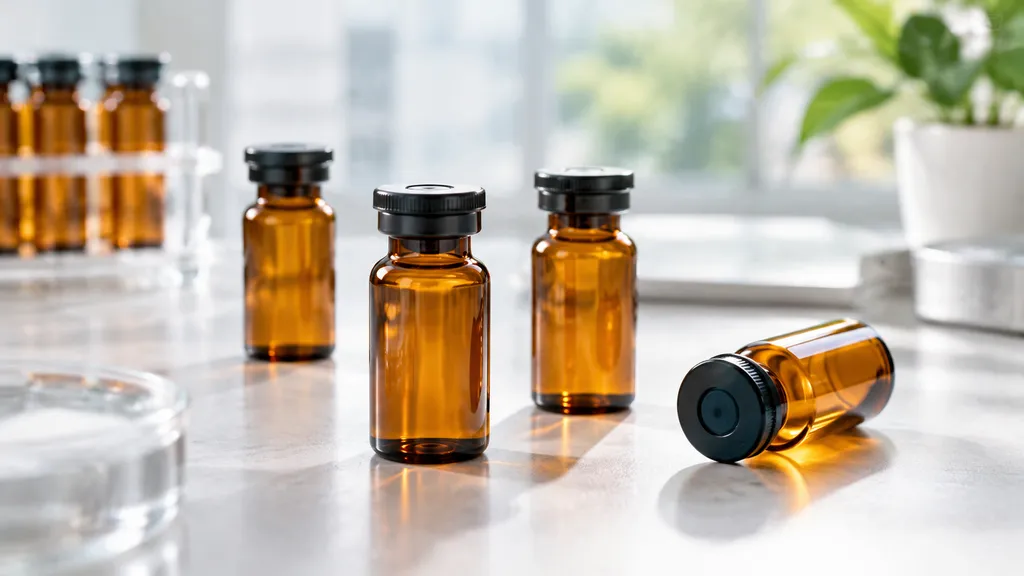
The effectiveness of amber glass in pharmaceutical packaging stems from its precise light-filtering capabilities. By incorporating iron, sulfur, and carbon during the glass-making process, we create a specialized barrier that absorbs light within the 300nm to 470nm wavelength range. This specific spectrum includes both ultraviolet (UV) and blue light, which are the primary catalysts for the photodegradation of sensitive chemical compounds.
By neutralizing these light rays, amber containers prevent the energy transfer that triggers molecular breakdown. Maintaining this chemical stability is critical for ensuring that active ingredients remain potent from the factory to the patient. For products like vitamin D ampoule packaging, this amber-tinted protection is an essential standard to safeguard efficacy.
- UV and Blue Light Absorption: Effectively blocks the most harmful high-energy light.
- Molecular Protection: Prevents light-induced reactions that degrade medication.
- Stable Storage: Sustains the original formulation integrity of sensitive drugs and vitamins.
- Precision Manufacturing: Utilizes high-quality materials to ensure consistent light filtration performance.
Type I Borosilicate Glass Standards
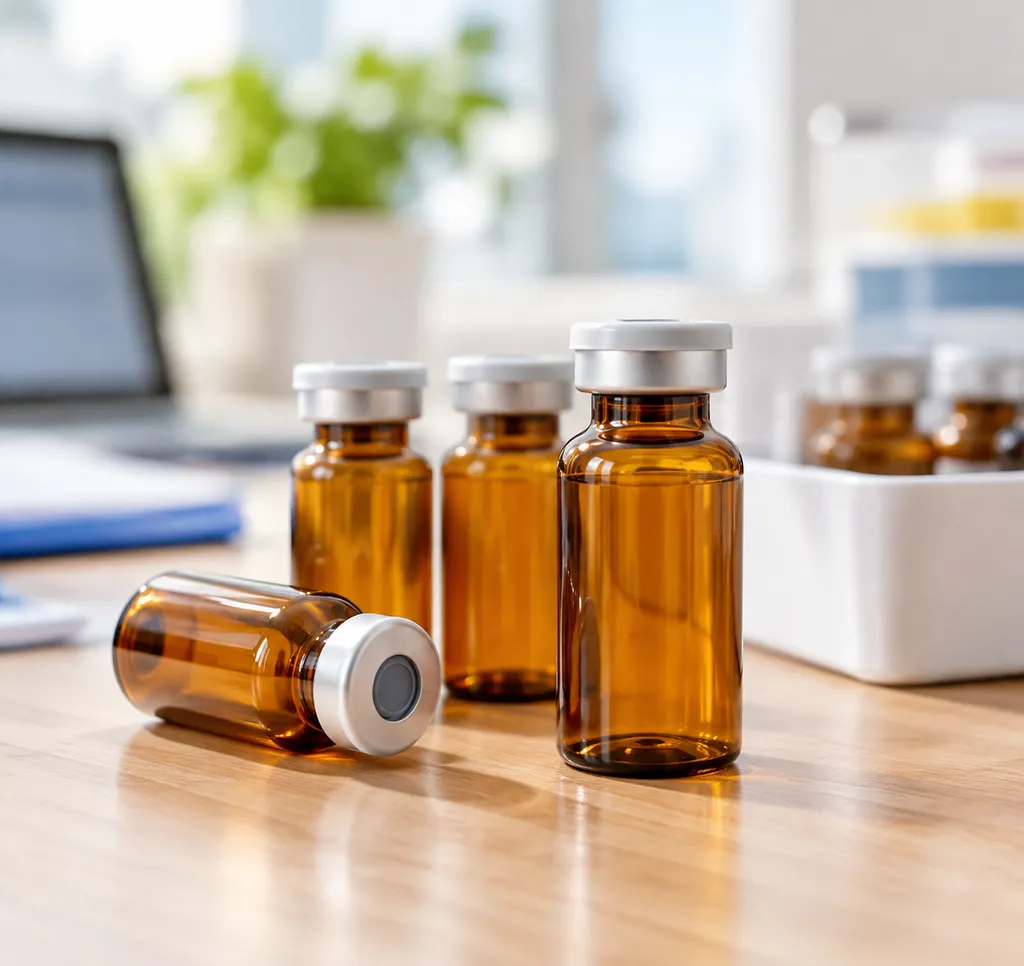
We prioritize Type I borosilicate glass for all our medical packaging because it offers the highest level of hydrolytic resistance. This material is essentially inert, which is critical for preventing the leaching of alkali or other components into the medication, ensuring the chemical purity of sensitive payloads remains intact from the lab to the patient.
Our commitment to quality goes beyond basic material selection. Every step of our manufacturing process adheres strictly to:
- ISO and GMP standards: Ensuring consistent, high-precision production environments.
- Stringent Thermal Resistance: Providing structural stability that survives the rigors of sterilization and long-term storage.
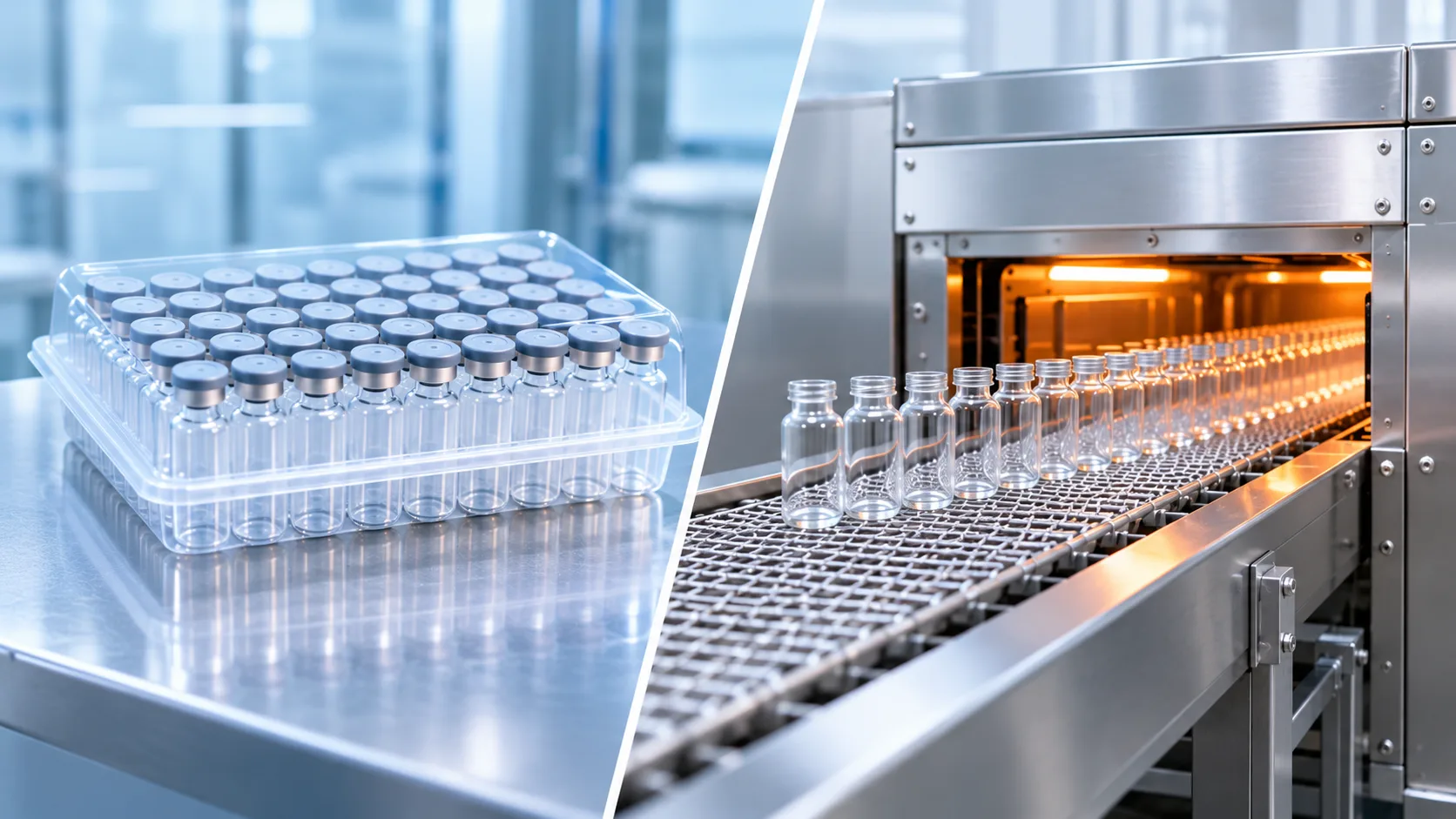
- Precision Sealing: Engineering neck finishes that guarantee a secure, airtight seal, which is fundamental when utilizing advanced vial nest and tub systems for RTU aseptic fill-finish.
By combining the natural chemical stability of borosilicate glass with rigorous industrial manufacturing protocols, we provide a reliable barrier that protects the integrity of medical products against external contamination and internal interaction.
Key Benefits of Modern Amber Vials
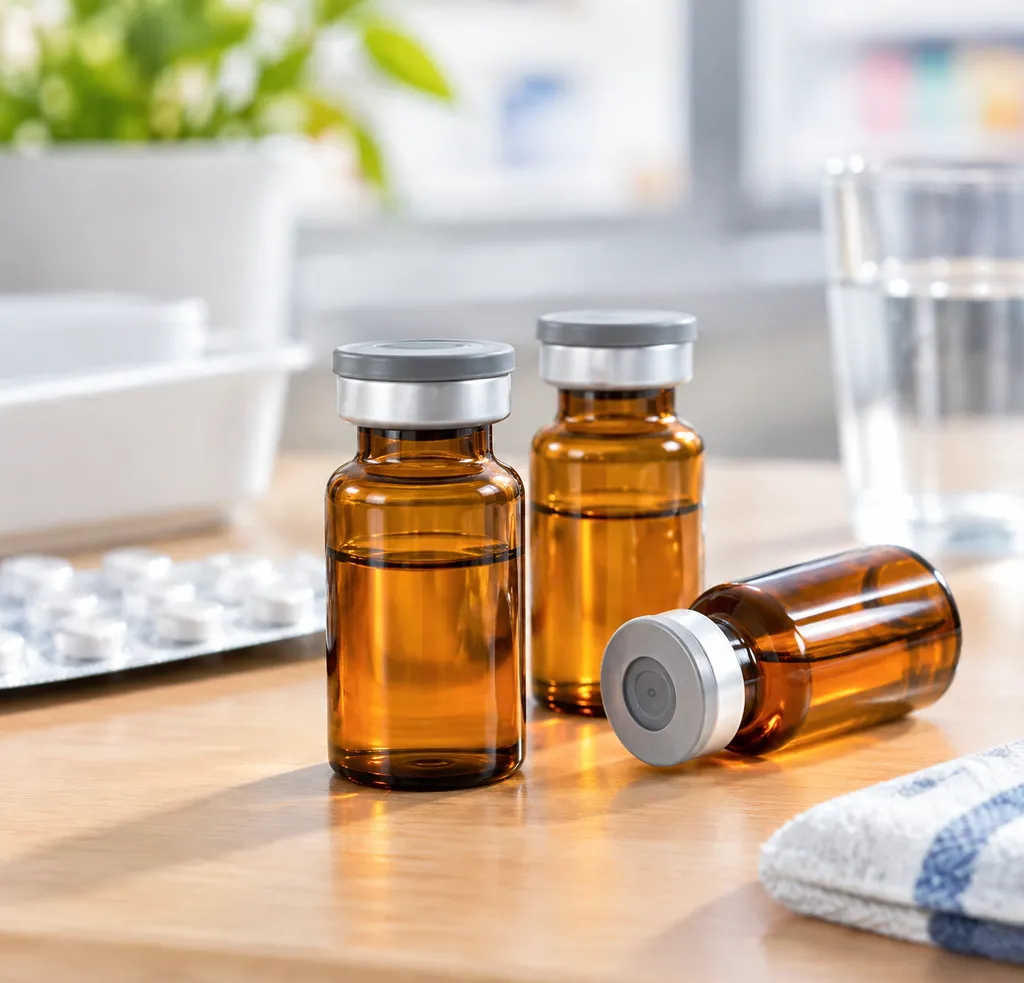
Functional Advantages of Amber Glass Packaging
The reliance on amber glass is driven by its ability to secure the environment inside the vial. When handling sterile drug packaging, maintaining this seal is non-negotiable.
| Feature | Primary Benefit |
|---|---|
| Thermal Resistance | Prevents degradation during temperature fluctuations in transit. |
| High Barrier Protection | Blocks harmful light and limits gas permeability. |
| Chemical Inertness | Prevents leaching into the medication payload. |
| Customization | Supports precise labeling and branding compliance. |
Why Quality Matters
Beyond color, the mechanical strength of the vial is vital for protecting the medication payload. We focus on manufacturing standards that allow for:
Precision Sealing: Compatible with various crimp or screw finishes to prevent leaks.
Durability: High resistance to physical stress during shipping and distribution.
Regulatory Alignment: Compliance with global pharmaceutical packaging standards to ensure safety from the facility to the patient.
By integrating these features, we ensure that every vial serves as a reliable, high-barrier shield for medical formulations.
Common Medications Requiring Amber Protection
Light-Sensitive Categories
Several classes of medication and health supplements rely on amber glass to maintain their efficacy. Below are common examples:
| Medication Type | Reason for Protection |
|---|---|
| Vitamins (e.g., B12, C) | Sensitive to light-induced oxidation |
| Antibiotics | Risk of chemical breakdown and potency loss |
| Injectables | Requires strict stability for sterility and safety |
| Nifedipine | High susceptibility to light exposure |
Best Practices for Stability
To preserve the chemical stability of sensitive formulations, I recommend the following standards:
- Primary Packaging Selection: Always utilize Type I borosilicate glass to prevent leaching and ensure compatibility with the medication.
- Storage Compliance: Keep vials in their original packaging until the moment of administration to block unnecessary UV transmission.
- Inventory Rotation: Adhere to "first-in, first-out" protocols to minimize the duration of light exposure in clinical settings.
- Controlled Environment: Ensure that storage facilities maintain consistent temperature and light-blocking standards, often supported by specialized sterile injectable device trays for safe medical packaging to protect contents during transit.
By integrating rigorous packaging standards, we ensure that medications remain stable, effective, and safe for the end user from production through to the final dose.
Frequently Asked Questions (FAQs)
When selecting pharmaceutical packaging, understanding the nuances of material and manufacturing quality is essential for product safety. Below are common inquiries regarding the use and production of amber glass containers.
| Question | Answer Summary |
|---|---|
| Does amber color alone guarantee safety? | No. Color is only one layer of protection. High chemical stability, provided by Type I borosilicate glass, is required to ensure no leaching occurs. |
| Amber glass vs. plastic vials? | Borosilicate glass offers superior chemical inertness, thermal resistance, and barrier properties compared to plastic, making it the standard for sensitive injectables. |
| How does Jiahua Package ensure compliance? | We operate under strict ISO and GMP standards, utilizing precision manufacturing to maintain structural integrity and sealing performance for every vial. |
Does amber color alone guarantee medication safety?
While the amber tint is critical for filtering UV and blue light, it is not a standalone solution for medication safety. The efficacy of the packaging also depends on the quality of the glass itself. Using neutral Type I borosilicate glass is the most important factor in preventing chemical interactions between the container and the drug payload, ensuring that the medication remains stable and effective throughout its shelf life.
What is the difference between amber glass and amber plastic vials?
The primary difference lies in material performance. Borosilicate glass provides a high-barrier environment that is virtually impermeable, which is vital for long-term storage of sensitive medical payloads. Plastic alternatives may offer cost or weight advantages but often lack the same level of thermal resistance and chemical stability required for high-risk pharmaceutical applications.
How does the Jiahua Package manufacturing process ensure compliance?
At Jiahua Package, our manufacturing process is built on precision and adherence to global pharmaceutical standards. By working within an ISO and GMP-certified environment, we guarantee that our tubular glass vials meet exact specifications for neck finish, wall thickness, and thermal tolerance. This rigorous approach ensures that every container provides the structural integrity necessary to maintain the sterility and safety of the final product.