Opdivo Nivolumab Vial Packaging: Technical Overview
Opdivo Vial Strengths & Configurations
Opdivo (nivolumab) is formulated as a 10 mg/mL concentrate solution supplied in single-dose, preservative-free glass vials. Standard volumetric profiles require precise secondary container mapping:
| Opdivo Vial Strength | Fill Volume | Concentration | Packaging Profile |
|---|---|---|---|
| 40 mg | 4 mL | 10 mg/mL | Opdivo single dose vial |
| 100 mg | 10 mL | 10 mg/mL | Opdivo single dose vial |
| 120 mg | 12 mL | 10 mg/mL | Single-dose profile |
| 240 mg | 24 mL | 10 mg/mL | High-volume single-dose profile |
Container Closure System Specifications
The primary container closure system for this monoclonal antibody requires strict technical compliance to guarantee drug stability:
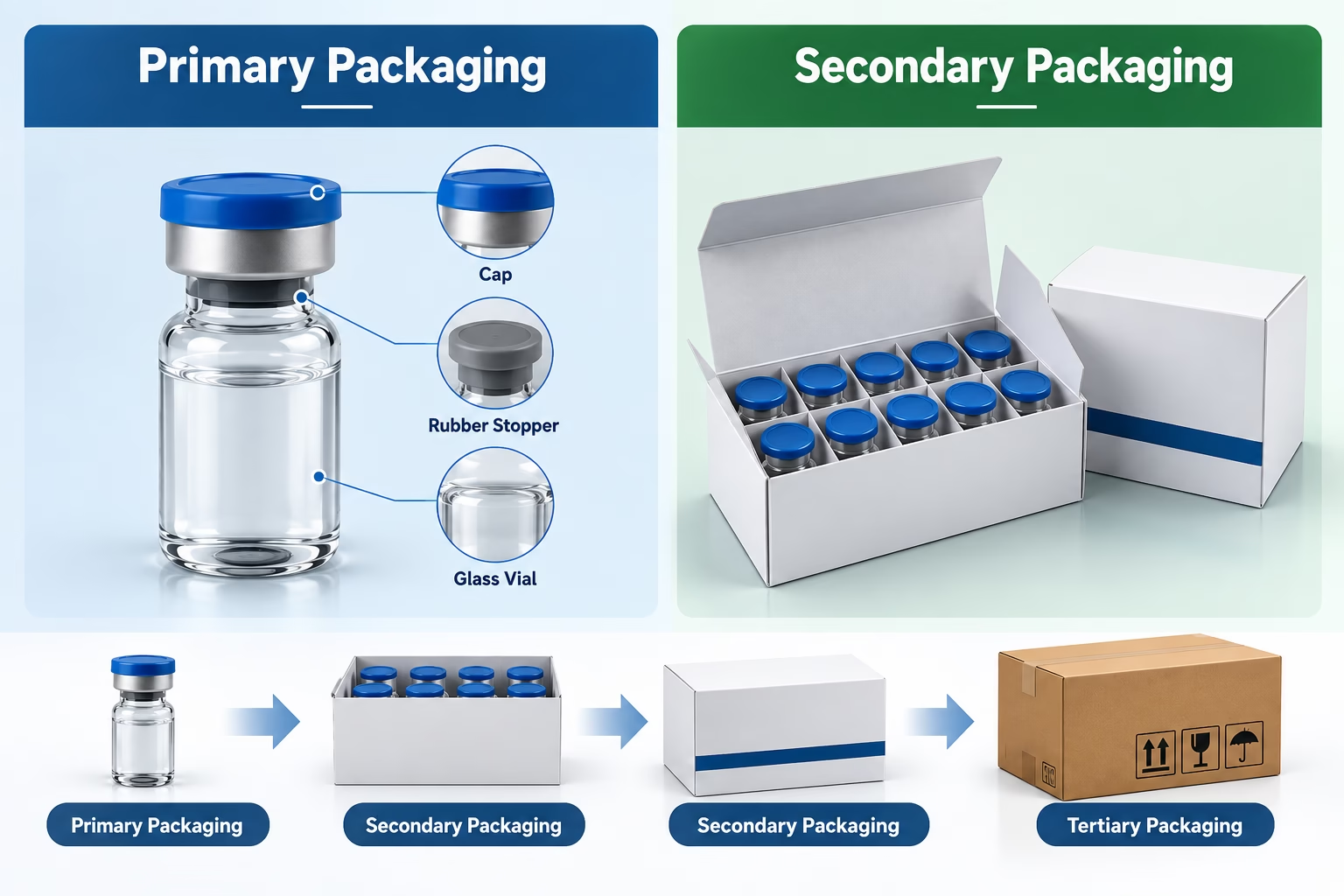
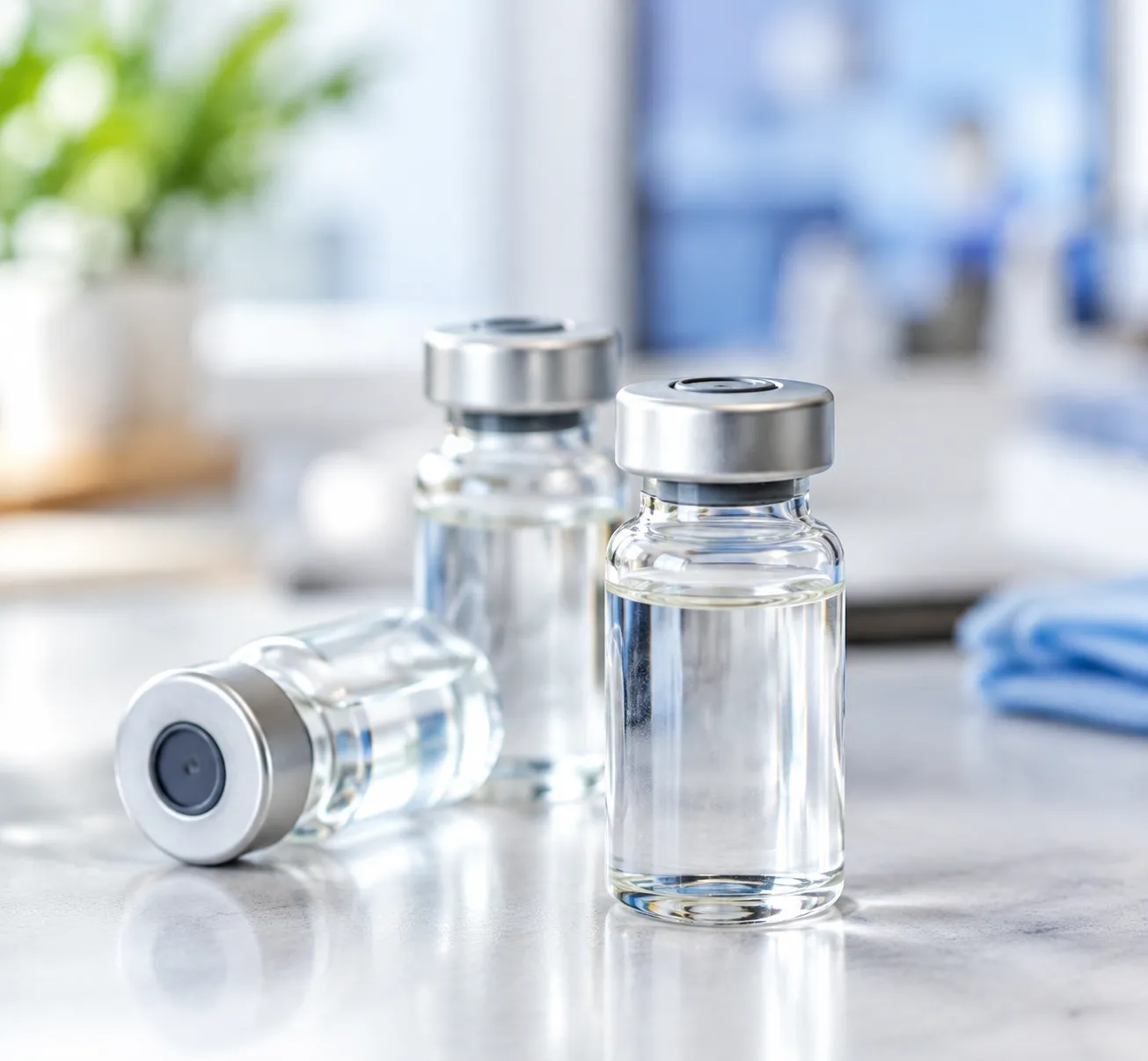
- Type I Borosilicate Glass Vial: Delivers maximum chemical resistance and minimal hydrolytic interaction with liquid protein formulations.
- Coated Butyl Rubber Stopper: Engineered with fluoropolymer barrier coatings to prevent leachables, minimize particulate contamination, and reduce surface protein adsorption.
- Flip-Off Aluminum Seal: Features color-coded caps matched to specific vial volumes for rapid point-of-care strength identification and immediate tamper evidence.
NDC, Carton, & Regulatory Identification
Proper National Drug Code (NDC) packaging and secondary carton alignment ensure seamless supply chain tracking and healthcare billing integration:
- 10-Digit & 11-Digit NDC Mapping: Precise translation between single vial billing units and outer multipack cartons.
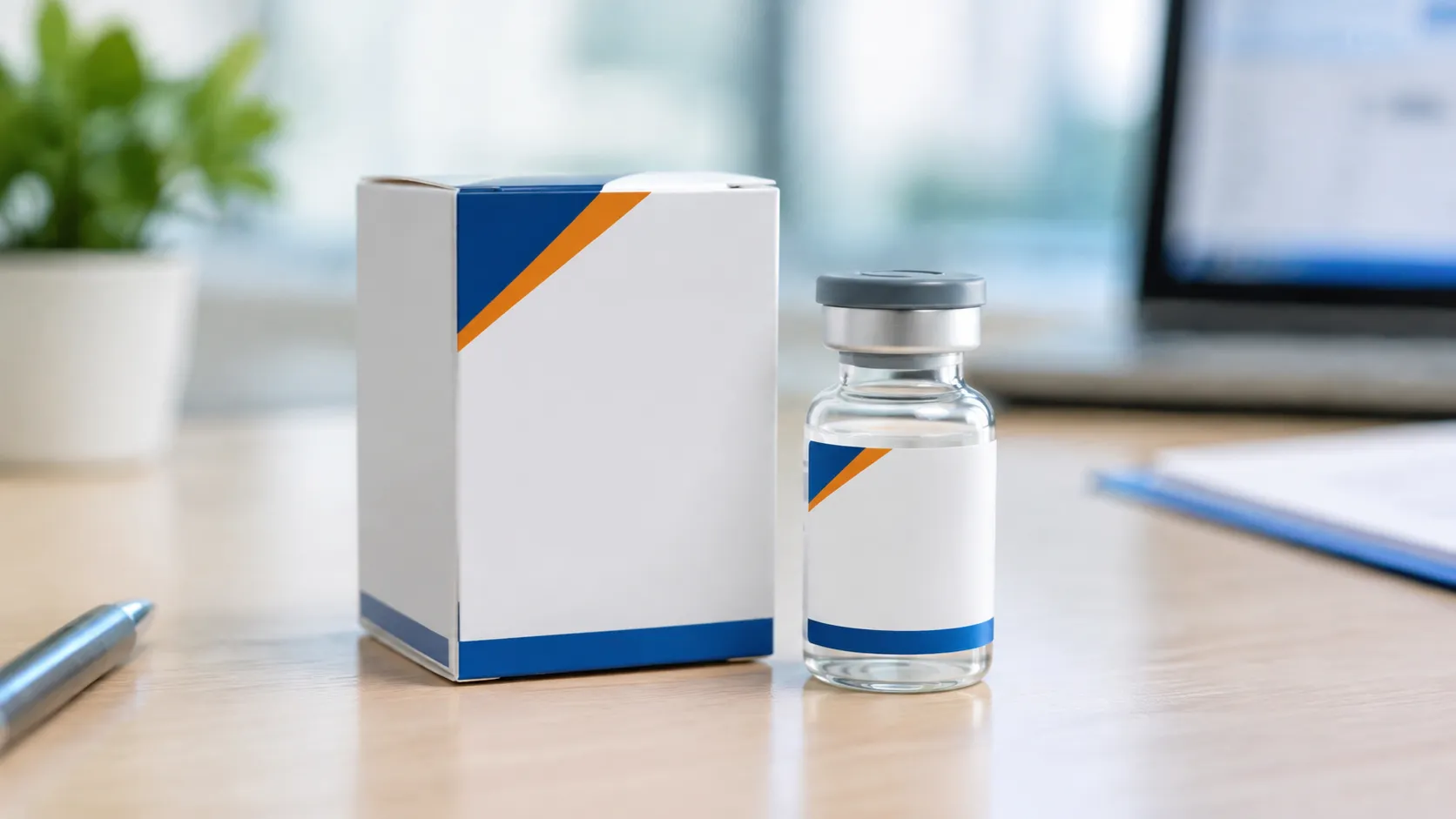
- Opdivo Carton Labeling Requirements: Standardized outer cartons incorporate linear/2D barcodes, lot tracking, clear expiration coding, and regulatory cold-chain storage markings essential for single-pack distribution.
Critical Cold-Chain Protocols for Biologic Injections
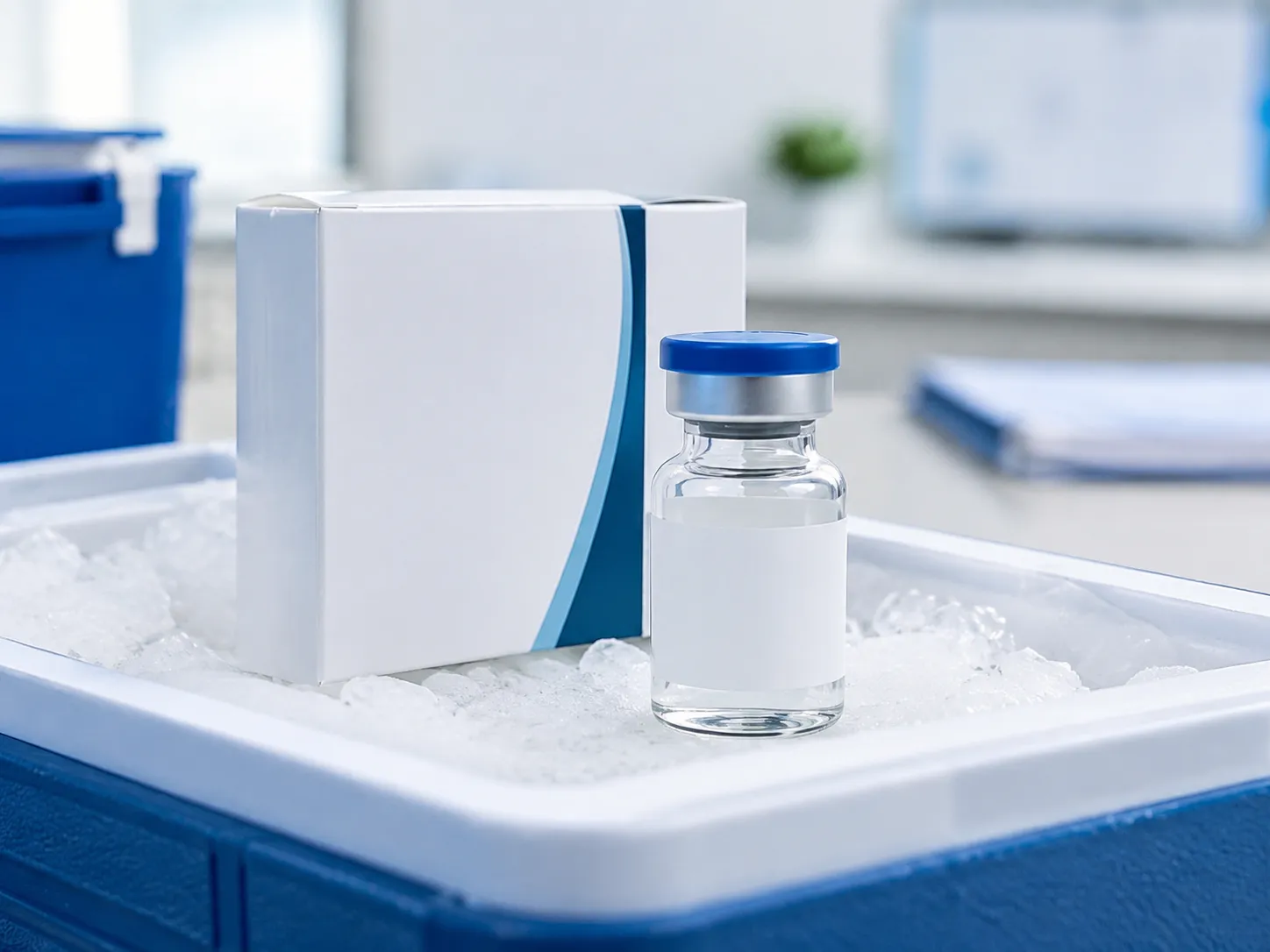
When handling sensitive oncology biologics like Opdivo (nivolumab), preserving protein stability across every distribution link is non-negotiable. Monoclonal antibodies easily degrade when exposed to temperature spikes, light, or excessive movement during global transport.
Nivolumab Storage Requirements & Risk Factors
| Stability Factor | Control Standard | Risk of Non-Compliance |
|---|---|---|
| Temperature | Strict 2°C to 8°C (36°F to 46°F) continuous refrigeration | Protein denaturation, aggregation, and loss of efficacy |
| Light Exposure | Retain in original outer carton until administration | Photodegradation of light-sensitive monoclonal antibodies |
| Physical Agitation | Prevent shaking, drop shocks, and transit vibration | Structural unfolding, micro-bubble formation, and particulate generation |
Biologic Cold-Chain Packaging & Shock Mitigation
Micro-vibrations and rough transit disrupt liquid formulations, driving protein aggregation. We supply engineered primary and secondary packaging for vials along with specialized custom vial packaging design with inserts to absorb impact forces and secure every opdivo single dose vial during cold-chain movement.
- Refrigerated Stability: Materials maintain flexible structural integrity without turning brittle or cracking under continuous 2°C to 8°C storage conditions.
- Light Shielding Protection: Opaque outer carton retention keeps direct light away from sensitive liquid injectables.
- Vibration Isolation: Precision-fit secondary nesting prevents vial-to-vial contact, eliminating physical stress and micro-fracture risks during distribution.
Optimizing Secondary Packaging: Protective Plastic Trays & Custom Nesting
Vial-to-vial contact during transit creates micro-fractures, risking sterility loss and costly product destruction for high-value oncology biologics like Opdivo (nivolumab). We engineer specialized plastic vial trays for pharma lab storage and transport to isolate every single unit, guaranteeing total physical protection from plant to clinic.
Eliminating Micro-Fractures & Transit Breakage
Custom thermoformed and precision injection-molded secondary plastic trays lock each glass vial inside its own dedicated cavity. By preventing direct glass-to-glass contact, these designs absorb physical shock and vibration during shipping, eliminating micro-cracks and structural integrity failures.
Cold-Chain Polymer Performance (2°C to 8°C)
Standard plastics can turn brittle and fracture under refrigerated cold-chain environments. We carefully select medical-grade polymers that maintain their mechanical flexibility and structural strength without cracking at standard 2°C to 8°C storage temperatures:
- Polypropylene (PP): Delivers superior impact resistance, chemical neutrality, and low-temperature flexibility.
- PETG: Combines high clarity for visual inspection with exceptional toughness under refrigerated conditions.
- Polystyrene (PS): Offers rigid structural support and dimensional stability for compact secondary box packaging.
Precision Engineering by Jiahua Package
At Jiahua Package, our secondary vial trays are custom-engineered to fit standardized 4 mL, 10 mL, and 24 mL biologic vial dimensions with ultra-tight tolerances.
| Vial Footprint | Tolerance Control | Structural Feature | Target Packaging Application |
|---|---|---|---|
| 4 mL | ±0.05 mm | Full-height cavity wall | Opdivo 40 mg/4 mL single-dose vials |
| 10 mL | ±0.05 mm | Recessed anti-tip base | Opdivo 100 mg/10 mL single-dose vials |
| 24 mL | ±0.05 mm | Reinforced impact ribs | Opdivo 240 mg/24 mL single-dose vials |
Our custom nesting solutions integrate directly into high-speed automated secondary packaging and cartoning lines, ensuring smooth handling and uncompromised cold-chain security.
Advanced RTU Nest & Tub Systems for High-Value Biologics
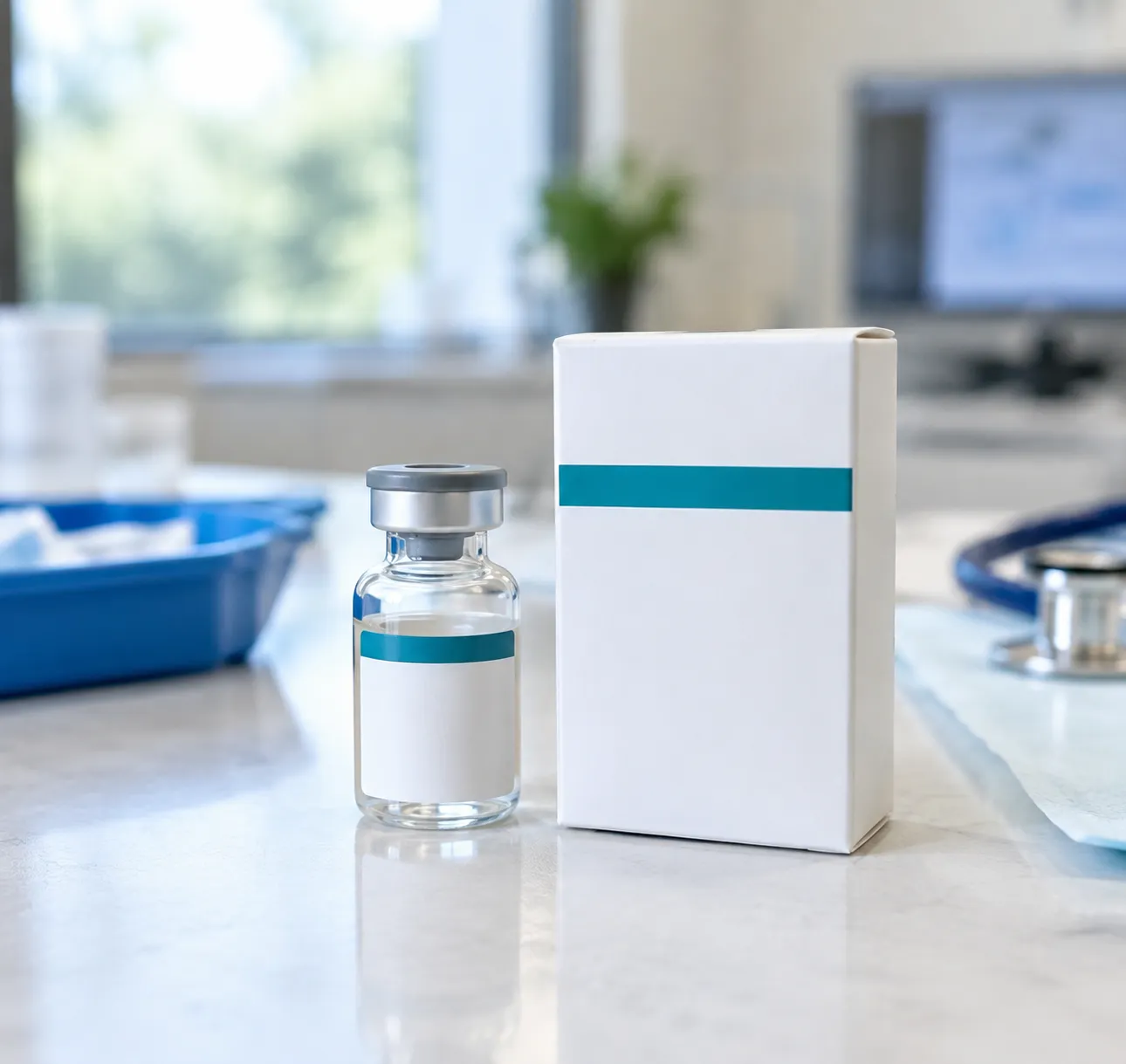
High-value biologics like Opdivo (nivolumab) require seamless handling from fill to finish. We design advanced vial nest and tub systems for RTU aseptic fill-finish to streamline processing and eliminate the operational friction associated with traditional bulk packaging formats.
Sterile-Ready Filling Workflows
Moving from traditional bulk formats to ready-to-use (RTU) nest and tub configurations eliminates physical contact during loading and transport:
- Streamlined Processing: Direct integration into aseptic processing lines bypasses washing and depyrogenation stages for pre-cleaned containers.
- Vial Surface Integrity: Vials remain suspended in engineered nests, preventing glass-to-glass contact, scratches, and micro-cracks.
- Higher Yields: Reduces mechanical downtime and protects expensive biologic and oncology formulations during high-speed runs.
High-Speed Automation Integration
Modern packaging lines demand precise dimensional consistency. We produce RTU nest and tub components under strict precision injection mold tolerance (±0.02 mm) limits to ensure consistent operation across automated filling, stoppering, and capping machinery.
| Specification Feature | Traditional Bulk Packaging | Advanced RTU Nest & Tub System |
|---|---|---|
| Dimensional Tolerance | ±0.10 mm to ±0.20 mm | ±0.02 mm precision control |
| Automation Compatibility | Manual/Semi-automated loading | Zero jam-ups on automated lines |
| Glass Handling | Direct glass contact | Suspended matrix isolation |
Integrating nested tub and tray aseptic processing solutions optimizes robotic pick-and-place operations, keeping line throughput high and scrap rates low.
Particulate & Bioburden Reduction
Maintaining low particulate levels and strict sterility controls is non-negotiable for injectable monoclonal antibodies:
- ISO Cleanroom Production: Manufactured inside certified ISO Class 7 and ISO Class 8 cleanroom manufacturing facilities to prevent contamination.
- Bioburden Testing & Particulate Control: Comprehensive batch testing ensures compliance with global pharmacopeia standards (USP <788> and EP requirements).
- Barrier Protection: Dual-bagged and sealed secondary packaging preserves cleanliness from our factory to your aseptic fill room.
Material Selection & Compliance Standards for Biopharmaceutical Packaging
USP Class VI Medical Plastics
We process high-purity, inert polymers engineered specifically to withstand strict cold-chain requirements and prevent chemical migration into liquid formulations.
- Cyclic Olefin Polymer (COP / COC): Delivers glass-like optical clarity, superior moisture barrier protection, and unmatched break resistance with zero extractables.
- Medical-Grade Polypropylene (PP) & Polyethylene (PE): Ensures structural flexibility without embrittlement at refrigerated temperatures (2 °C to 8 °C equivalent handling), fully compliant with USP Class VI specifications.
- Zero Migration: Formulated without phthalates, plasticizers, or heavy metal stabilizers to protect delicate single-dose biologic solutions.
Traceability & Quality Documentation
Meeting global pharmacopeia standards demands comprehensive batch control. We provide full quality dossiers with every production lot to simplify validation and streamline regulatory filings.
| Compliance & Quality Metric | Technical Standard | Primary Function |
|---|---|---|
| Bioburden Testing & Particulate Control | ISO 11737 / USP <788> | Verifies strict microbial limits and low sub-visible particulate counts. |
| Dimensional Inspection Reports | Critical Tolerance Verification | Confirms exact vial tray fitment with zero mechanical play. |
| Complete Batch Traceability | Resin Lot to Shipment | Aligns with secondary packaging for vials DSCSA compliant solutions for supply chain transparency. |
By combining certified medical polymers with end-to-end documentation, we guarantee high-value injectables remain secure, compliant, and structurally protected throughout their entire lifecycle.
Custom OEM/ODM Packaging Development for Oncology & Biologic Lines
From CAD to Cleanroom
Standard off-the-shelf solutions often fail to deliver the exact fit required for high-value therapeutics like opdivo nivolumab vial packaging. We transform initial CAD models into production-ready components engineered for automated lines. Following a structured vial packaging process guide for pharmaceutical lines, our packaging team eliminates dimensional gaps to protect delicate glass containers from mechanical shock during transit.
Rapid Prototyping Timelines
Speed to market is critical for oncology therapies. We streamline design verification and tooling through an agile OEM/ODM production cycle:
- Functional Sampling (7–10 Days): Rapid delivery of physical prototype trays for automated fill-finish trials and visual line testing.
- Custom Tooling Delivery (2–4 Weeks): High-precision mold fabrication built to strict precision injection mold tolerance standards (±0.02 mm).
- Automated Scalability: Production-ready tools designed for seamless integration into high-speed thermoforming and injection molding systems.
IP Protection & Mold Ownership
We guarantee full intellectual property protection and exclusive mold ownership for every custom packaging project. When developing proprietary vial packaging for pharmaceuticals, your custom tooling is locked to your production runs, protecting your brand's unique structural designs against unauthorized replication.
| Development Phase | Standard Timeline | Quality & Engineering Deliverable |
|---|---|---|
| 3D CAD & Structural Design | 2–3 Days | Precision 3D modeling & volumetric fit analysis |
| Functional Prototyping | 7–10 Days | Physical sample trays for drop testing & line trials |
| Production Mold Tooling | 2–4 Weeks | Multi-cavity hardened steel tools with full client IP ownership |
| Cleanroom Batch Production | Scheduled per Order | ISO Class 7/8 cleanroom production with bioburden compliance |
Frequently Asked Questions
How do protective plastic vial trays improve cold-chain security for monoclonal antibodies?
During refrigeration at 2°C to 8°C and transit, delicate liquid injectables like those in Opdivo nivolumab vial packaging are vulnerable to continuous vibration and glass-on-glass friction. Our custom secondary plastic vial trays lock each single-dose vial firmly in place, absorbing mechanical shocks and preventing micro-fractures. Utilizing these engineered trays alongside compact vial packaging boxes for secure sample storage ensures maximum structural protection and maintains biologic product integrity throughout the entire cold chain.
What packaging materials are recommended for temperature-sensitive liquid injectables?
To safeguard high-value biologics and temperature-sensitive liquid injectables, we recommend combining certified primary and secondary materials:
Primary Containers: Type I borosilicate glass vials paired with coated butyl rubber stoppers and tamper-evident flip-off aluminum seals to prevent extractables and maintain container closure integrity.
Secondary Rigid Packaging: USP Class VI medical plastics—including PETG, polypropylene (PP), and cyclic olefin polymer (COP/COC)—which provide shock absorption and flexibility without becoming brittle under cold storage conditions.
Can Jiahua Package customize RTU nest and tub configurations to fit existing automated filling machinery?
Yes. We design and manufacture custom Ready-to-Use (RTU) nest and tub systems engineered specifically for your filling line specifications and custom vial dimensions. Produced inside ISO Class 7 cleanrooms with precision injection mold tolerances of ±0.02 mm, our RTU components ensure seamless feed-in and zero jam-ups on high-speed aseptic automated filling lines while adhering to strict bioburden testing and particulate control standards.