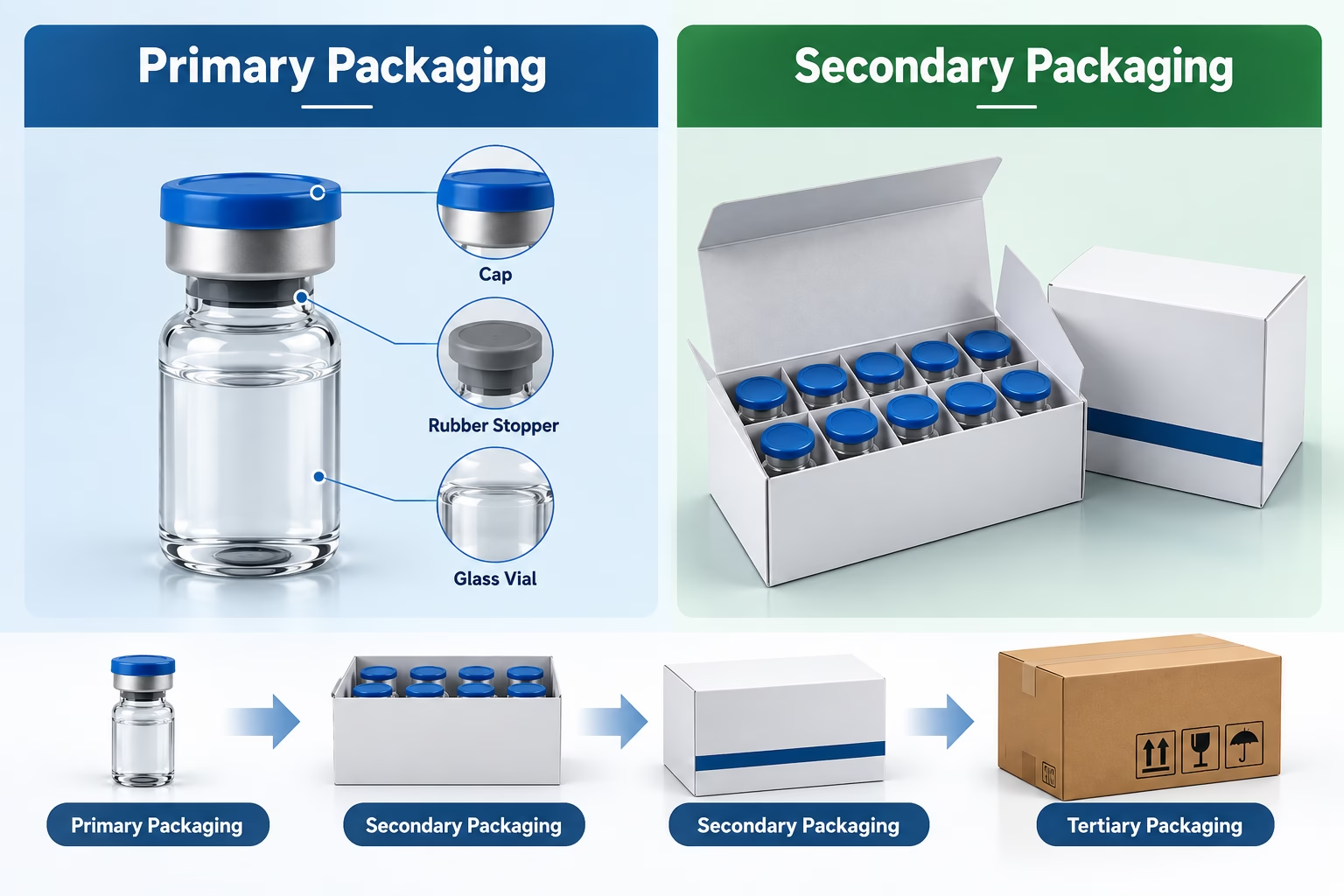
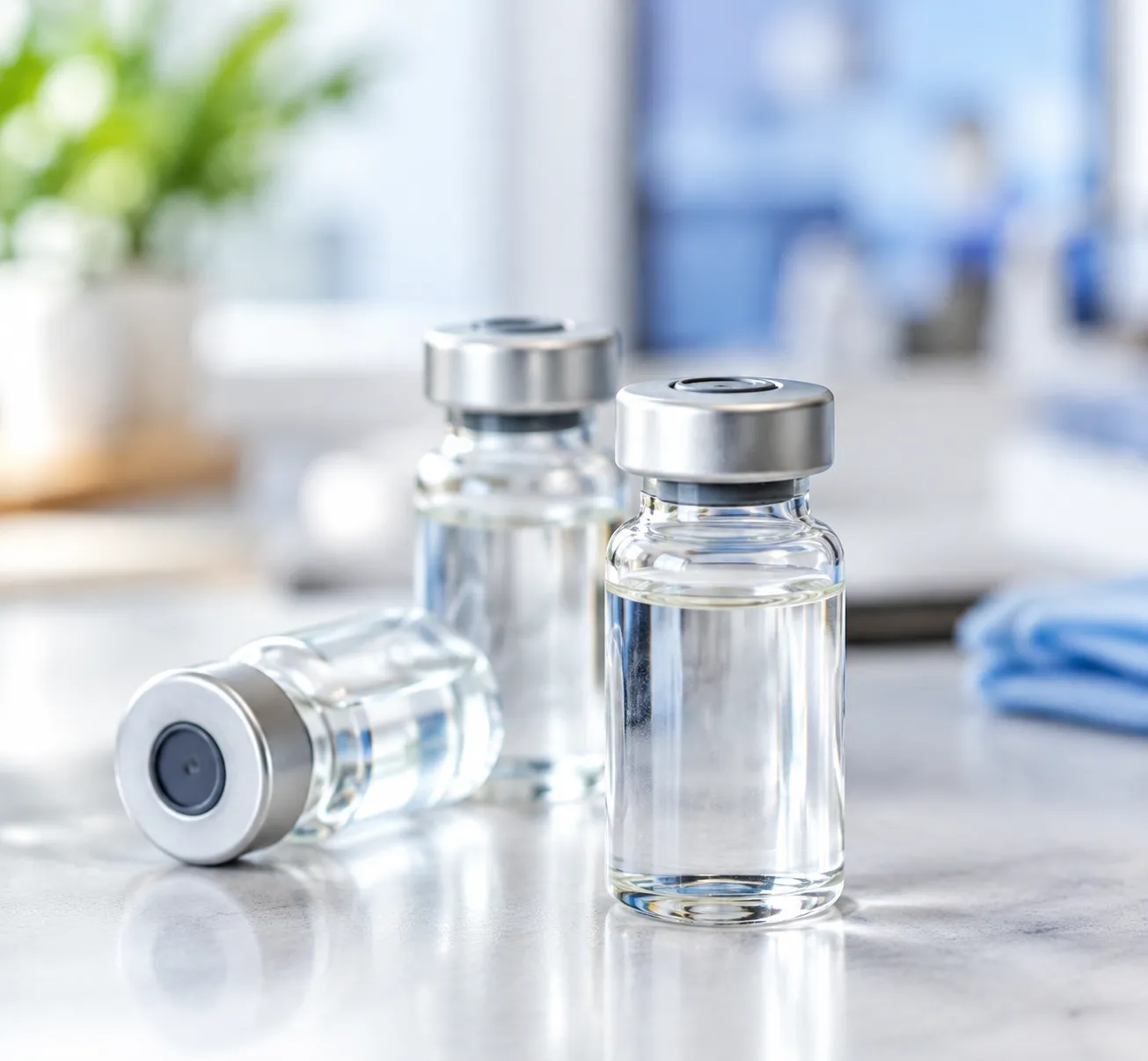
Ever wondered what is a vial container and why it remains the gold standard for storing critical medicines, chemical solutions, and lab samples?
Whether you need a clear vial container definition, want to know what is a vial container called across different industries (from phials to cryovials), or need a real-world vial container example, this comprehensive guide has you covered.
Inside, you'll discover different materials, seal types, and step-by-step vial container instructions for safe handling and extraction.
Let's dive right in.
What Is a Vial Container?
A vial container is a compact, cylindrical vessel engineered to store, preserve, and protect small volumes of liquids, powders, or granular substances. Widely used across scientific, medical, and commercial fields, vials provide an airtight, sterile, and chemically stable environment for sensitive formulations.
Simple Definition of a Vial
At its simplest, a vial—historically spelled phial—is a small bottle made of glass or plastic with a flat or rounded bottom, designed to securely hold single or multiple doses of a substance. Unlike standard beverage or cosmetic bottles, vials are specifically calibrated for precision storage, sampling, and dispensing.
Technical Definition
From a packaging engineering and pharmaceutical standpoint, a vial is a primary packaging system composed of USP Type I, II, or III borosilicate or soda-lime glass, or specialized polymers (such as polypropylene, cyclic olefin polymer, or HDPE). It features a standardized neck finish designed to interface with elastomer septa, crimp seals, or threaded closures to ensure chemical resistance, low extractables/leachables, and container closure integrity (CCI).
What Is a Vial Called?
Depending on the region, industry, and exact configuration, a vial container is referred to by several names:
- Phial: The traditional English spelling, often found in historical or literary contexts.
- Sample Vial: Common in chemical analysis, chromatography, and quality control.
- Serum Bottle / Serum Vial: Used frequently for injectable biologicals and liquid medications.
- Specimen Tube / Cryovial: Applied to vessels built for biological sample collection and ultra-low temperature storage.
- Dram Vial: Sized according to the fluid dram measurement system (1 dram ≈ 3.7 ml).
Vial Meaning in Different Industries
The functional role and design standards of a vial shift based on the demands of each industry:
| Industry | Primary Vial Function | Typical Materials & Closures | Common Contents |
|---|---|---|---|
| Pharmaceutical & Healthcare | Sterile storage for parenterals and active ingredients | Type I borosilicate glass; rubber stopper with aluminum crimp seal | Vaccines, antibiotics, insulin, injectable biologics |
| Life Sciences & Laboratory | High-precision sampling and analytical testing | Clear/amber glass or virgin polypropylene; screw cap with PTFE/silicone septa | HPLC/GC samples, chemical reagents, DNA/RNA extracts |
| Cosmetics & Personal Care | High-end portioning and aesthetic sampling | Soda-lime glass or molded plastic; dropper, roller-ball, or spray pump | Perfume testers, essential oils, facial serums |
| Industrial & Chemical | Reference standard retention and field sampling | Heavy-wall glass or chemically inert polymers; lined screw caps | Solvents, environmental water samples, petrochemicals |
What Does a Vial Look Like?
A vial is a small, precision-engineered cylindrical vessel designed for high-integrity storage. Unlike everyday consumer containers, vials feature ultra-consistent wall thickness, specialized neck finishes, and flat, stable bottoms engineered for automated handling, medical use, and laboratory environments.
Typical Vial Shape and Size
Vials are predominantly cylindrical with narrow openings, though their exact proportions vary by application. Capacities range from micro-sample volumes of 0.5 mL up to large-format infusion units of 100 mL. The most widely used formats in clinical and research spaces fall between 2 mL and 20 mL.
For standard dosing applications, our peptide vial sizes guide for 2ml, 3ml, 5ml, and 10ml details standard outer diameters and heights used across the industry.
| Vial Capacity | Typical Outer Diameter | Typical Height | Primary Use Case |
|---|---|---|---|
| 2 mL | 16 mm | 35 mm | Chromatography, peptides, diagnostics |
| 5 mL | 22 mm | 40 mm | Biologics, injectable formulations |
| 10 mL | 24 mm | 45 mm | Vaccines, multi-dose medications |
| 20 mL – 50 mL | 30 – 43 mm | 55 – 75 mm | Infusion concentrates, lab reagents |
Main Parts of a Vial
The anatomy of a standard vial consists of five engineered zones:
- Lip / Finish: The reinforced opening designed to secure crimp seals, snap caps, or threaded closures.
- Neck: The constricted section below the finish that provides a secure collar for automated filling lines and decapping tools.
- Shoulder: The curved transition zone where the narrow neck expands into the main body.
- Body (Barrel): The cylindrical wall engineered with tight dimensional tolerances for accurate labeling and optical inspection.
- Base: A reinforced, flat bottom designed to keep the vial upright on conveyor belts, racks, and laboratory benches.
Features That Make Vials Different from Ordinary Bottles
While both hold liquids or powders, vials meet much stricter functional and structural standards than standard bottles:
- Precision Neck Finishes: Vials use standardized closures (such as 13 mm or 20 mm crimp tops) paired with rubber septa, enabling sterile needle penetration without exposing the contents to ambient air.
- Material Purity: Vials are manufactured from high-purity Type I borosilicate glass or medical-grade polymers (such as cyclic olefin copolymer) to prevent chemical leaching and pH shifts.
- Thermal and Chemical Resistance: Vials withstand extreme conditions, including autoclaving at 121°C, lyophilization (freeze-drying), and deep cryogenic storage down to -196°C.
- Tight Dimensional Tolerances: Vials have uniform wall thickness and flat bases to operate seamlessly in automated high-speed filling, capping, and robotic autosampler machinery.
Common Examples of Vial Containers
Pharmaceutical Vial Example
A classic medical vial is designed to store sterile liquid medications like vaccines, insulin, and biologics.
- Typical Build: Type I borosilicate glass or high-clarity cyclic olefin polymer (COP).
- Closure System: A butyl rubber stopper sealed tight with an aluminum tear-off or flip-off crimp cap.
- Storage & Handling: During bulk processing and transport, facilities often rely on plastic vial trays for pharma lab storage and transport to prevent glass-to-glass contact and surface scratching.
Laboratory Vial Example
In analytical testing, laboratory vials serve as standard sample storage vials and autosampler containers for HPLC and GC chromatography systems.
- Typical Build: 1.5 mL to 4 mL clear or amber glass, or chemically inert polypropylene.
- Closure System: Screw-cap or snap-cap with a PTFE/silicone septum.
- Key Feature: Exact dimensional consistency to ensure robotic autosampler needles puncture the septum cleanly without bending.
Cryogenic Vial Example
Cryovials are built specifically for ultra-low temperature storage, including mechanical freezers (-80°C) and liquid nitrogen vapor phases (-196°C).
- Typical Build: Heavy-wall, medical-grade polypropylene capable of withstanding thermal shock.
- Closure System: Screw caps with internal or external threads and co-molded silicone gaskets to stop leaks under extreme pressure shifts.
- Primary Use: Preserving biological specimens, stem cells, viral strains, and DNA samples in biobanks.
Cosmetic and Fragrance Vial Example
Small-format glass vials are the standard choice for sample distributions, travel sizes, and high-potency skin serums.
- Typical Build: Tubular clear glass ranging from 0.5 mL to 5 mL.
- Closure System: Snap-in orifice reducers, plug stoppers with dipsticks, fine-mist spray pumps, or rollerball applicators.
- Presentation: Brands frequently protect and display these fragile sample units using a custom vial box with inserts to maintain product positioning during shipping.
Powder and Lyophilized Product Vial Example
Freeze-dried (lyophilized) pharmaceuticals and unstable active peptides require specialized containers that facilitate sublimation.
- Typical Build: USP Type I molded or tubular glass with precise base thickness for even heat transfer during the freeze-drying cycle.
- Closure System: Two-leg or three-leg slotted lyo-stoppers that allow water vapor to escape in the freeze-dryer before being fully seated under vacuum.
- Primary Use: Antibiotics, diagnostic reagents, and biotherapeutic powders that must be reconstituted with sterile diluent right before administration.
What Are Vials Made Of?
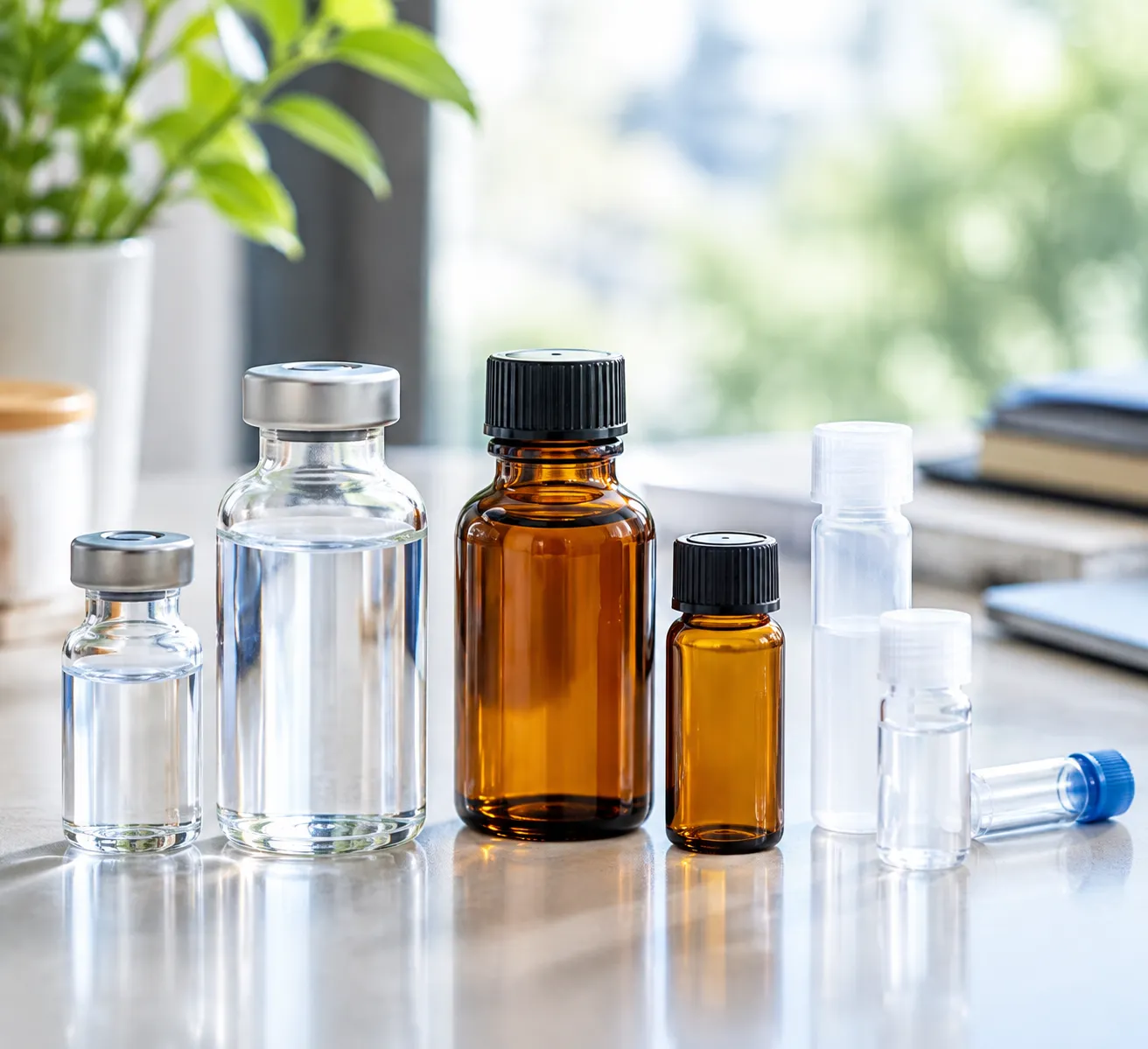
Glass Vials
Glass remains the global gold standard for pharmaceutical, diagnostic, and chemical packaging due to its exceptional chemical inertness and impermeability.
- Type I Borosilicate Glass: Offers the highest chemical resistance and minimal thermal expansion. It is the mandatory choice for injectable drugs, acid/alkali solutions, and sensitive reagents. Our ready-to-use RTU vials utilize high-grade Type I borosilicate to eliminate leachables and protect drug purity.
- Type II Treated Soda-Lime Glass: Modified with surface sulfur treatment to boost hydrolytic resistance, suitable for neutral and acidic aqueous preparations.
- Type III Soda-Lime Glass: Cost-effective with moderate chemical resistance, best suited for dry powders, non-aqueous preparations, and high-volume diagnostic sampling.
- Amber vs. Clear Formulations: Clear (flint) glass provides maximum visual inspection, while amber glass filters out harmful UV light to preserve photosensitive compounds.
Plastic Vials
Plastic vial containers provide a lightweight, impact-resistant alternative when glass breakage poses a safety or contamination risk.
- Polypropylene (PP): Semi-rigid with excellent thermal and chemical resistance. Standard for laboratory microcentrifuge tubes, screw cap vials, and general sample storage.
- High-Density Polyethylene (HDPE): Moisture-resistant, flexible, and robust, widely used for diagnostic test kit reagents and solid oral doses.
- Cyclo-Olefin Polymer / Copolymer (COP/COC): High-end engineered plastics that match the optical clarity of glass while remaining shatterproof—ideal for cryopreservation and prefillable systems.
- Polyethylene Terephthalate (PET/PETG): Crystal-clear and gas-tight, frequently selected for media bottles and non-reactive liquid storage.
Glass Vial vs. Plastic Vial
Choosing between a glass vial and a plastic vial comes down to your chemical formulation, storage temperature, and transport demands:
| Feature | Glass Vial Container | Plastic Vial Container |
|---|---|---|
| Chemical Inertness | Maximum (Type I Borosilicate minimizes ion leaching) | Good to high (depends on polymer; potential for sorption) |
| Gas & Vapor Barrier | 100% impermeable to gases, solvents, and moisture | Semi-permeable over long shelf lives |
| Thermal Range | Withstands extreme heat sterilization and autoclaving | Excellent at cryogenic temps; lower max heat limit |
| Physical Durability | Rigid but breakable under high impact | Impact-resistant and virtually shatterproof |
| Optical Clarity | Crystal-clear optical transparency | Clear (COC/PET) to translucent (PP/HDPE) |
| Primary Applications | Injectables, biologics, essential oils, reactive reagents | Cryo-storage, rapid diagnostics, field sampling |
For premium skincare, diagnostic reagents, and sensitive liquids, sourcing reliable serum vial packaging wholesale glass vials and boxes gives your formulations superior barrier protection, precise dosage safety, and an upscale presentation.
Types of Vial Closures
A vial is only as secure as the seal protecting it. Choosing the right vial cap types determines whether a sample stays sterile, prevents evaporation, maintains gas-tight integrity, or allows safe, repeatable access with a hypodermic needle.
| Closure Type | Key Feature | Best Application |
|---|---|---|
| Crimp-Top | Hermetic aluminum seal | Injectables, HPLC/GC autosamplers |
| Screw-Cap | Threaded, reusable cap | Chemical reagents, compound storage |
| Snap-Cap | Tool-free press-on lid | Fast routine testing, dry powders |
| Septum Closure | Resealable elastomeric core | Needle draw, multi-dose sampling |
| Child-Resistant | Push-down-and-turn safety | Prescription meds, toxic compounds |
Crimp-Top Vials
Crimp-top vials use an aluminum ring mechanically compressed around the outer neck flange of the vial to hold an elastomeric stopper tightly in place.
- Airtight Security: Delivers the tightest seal available against gas exchange, leakage, and evaporation.
- Tamper Evidence: Requires a manual or automated decapping tool to remove, preventing unrecorded tampering.
- Flip-Off Caps: Often feature a plastic protective button that snaps off to expose the sterile injection target area on the rubber septum.
Screw-Cap Vials
Screw-cap vials utilize continuous threaded necks to provide a reliable mechanical seal that can be opened and resealed repeatedly without specialized tools.
- User-Friendly: Easy to torque down by hand or via automated capping machinery.
- Liner Options: Can be paired with solid PTFE, foil, or foam liners to resist aggressive solvents and strong acids.
- Versatile Storage: Ideal for general sample storage vials, analytical stock solutions, and dry chemical compounds.
Snap-Cap Vials
Snap-cap vials feature a ridged neck collar designed for flexible polyethylene caps that click into position with simple downward thumb pressure.
- Fast Operation: Speeds up sample prep workflows in high-volume testing environments.
- No Tools Required: Easy to cap and uncap quickly without decapping devices.
- Application Focus: Recommended for short-term sample retention, non-volatile liquids, and general laboratory glassware applications where ultra-hermetic seals are not strictly required.
Septum Closures
Septum closures incorporate a pierceable membrane—typically made from silicone, natural rubber, or PTFE-faced elastomers—integrated into screw or crimp caps.
- Self-Resealing: Allows needles to penetrate, extract liquid, and withdraw without causing continuous leaks or loss of container pressure.
- Inert Contact: PTFE-faced septa ensure the stored sample touches only chemically inert material, eliminating contamination in high-sensitivity testing.
- Multi-Dose Capability: Provides reliable barrier protection across repeated needle punctures.
Child-Resistant and Tamper-Evident Closures
For pharmaceuticals and hazardous compounds, safety closures prevent unauthorized access and alert users to previous tampering.
- Push-and-Turn Mechanisms: Engineered to stop accidental opening by children while remaining accessible for adult patients.
- Tamper-Evident Tear Bands: Plastic rings or aluminum skirts that tear irreversibly upon first opening to prove container integrity.
- Regulatory Compliance: Essential for retail pharmacy distribution, oral liquid medications, and specialized pill vial packaging for child-resistant bulk vials meeting global safety standards.
What Are Vials Used For?
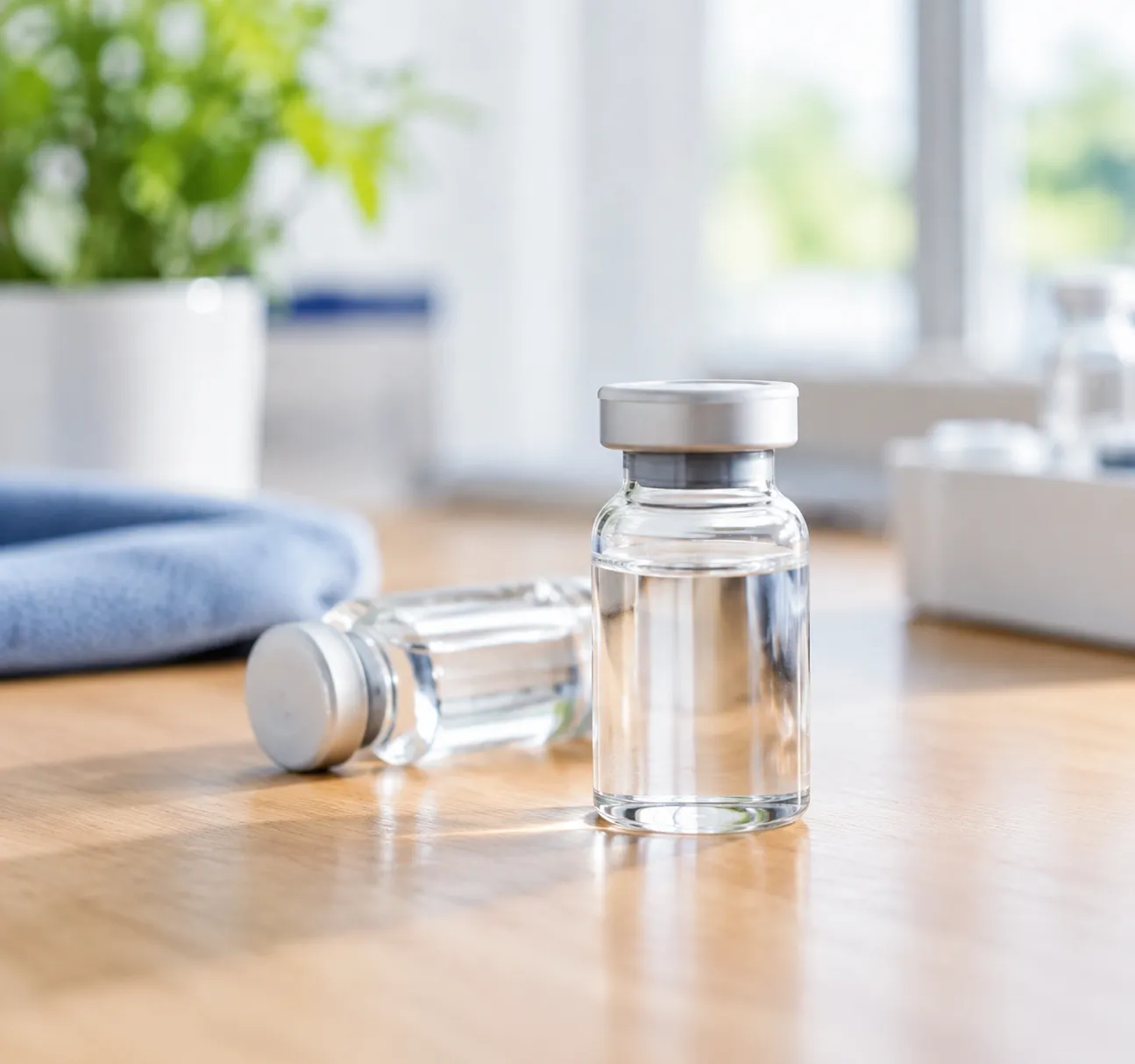
Pharmaceutical and Healthcare Applications
In medical settings, product integrity is vital. Medical vials serve as standard primary packaging for sterile and life-saving treatments, including:
- Injectable Medications: Liquid formulations such as vaccines, antibiotics, and biologics.
- Lyophilized Drugs: Freeze-dried powders reconstituted with sterile water immediately before injection.
- Diagnostic Reagents: Chemical solutions used in clinical testing and blood analysis.
- Sterile Compounding: Specialized drug preparations in hospitals following strict healthcare packaging solutions to prevent microbial entry.
Laboratory and Research Applications
Laboratories require precise, contamination-free storage for volatile or reactive substances:
- Chromatography Testing: Autosampler vials used in High-Performance Liquid Chromatography (HPLC) and Gas Chromatography (GC).
- Sample Archiving: Glass and plastic sample storage vials designed to protect chemical specimens against evaporation.
- Cryogenic Banking: Cryovials engineered to withstand deep-freeze temperatures in liquid nitrogen phases.
- Benchwork Organization: Keeping active compounds organized using a 2ml vial box for lab storage to streamline sample tracking.
Cosmetic and Personal Care Applications
The beauty industry uses glass vial containers to preserve delicate, high-potency formulations:
- Concentrated Serums: Anti-aging treatments containing active ingredients like Vitamin C, hyaluronic acid, and peptides that degrade when exposed to light or air.
- Fragrance Samplers: Mini snap-cap or crimp-top vials distributed for perfume trials.
- Essential Oils: Amber glass vials that shield aromatic plant oils from UV damage.
Industrial and Commercial Applications
Beyond labs and clinics, vials support quality assurance and commercial distribution:
- Calibration Standards: Pre-measured analytical reference standards for environmental and chemical testing.
- Specialty Chemicals: High-grade adhesives, coatings, and solvent samples.
- E-Liquids and Flavor Extracts: Concentrated liquid solutions requiring airtight seals to maintain flavor profiles and chemical stability.
How to Use a Vial Container Safely
Following standard vial container instructions ensures product sterility, user safety, and sample integrity. Whether in a clinical setting or an analytical laboratory, handling vials requires clean technique and precision.
General Instructions for Handling a Vial
- Inspect Before Use: Check the glass or plastic body for hairline cracks, chips, turbidity, or particulate contamination.
- Sanitize the Work Area: Always work on a clean, disinfected surface or inside a laminar flow hood.
- Disinfect the Access Point: Wipe the rubber septum with a sterile 70% isopropyl alcohol swab and allow it to air-dry completely before piercing.
- Store Properly: Keep upright in a temperature-controlled environment, using compact vial packaging boxes for secure sample storage to shield light-sensitive solutions and prevent accidental drops.
Basic Guidance for Drawing Liquid from a Medication Vial
- Equalize Pressure: Draw air into the syringe equal to the exact volume of liquid needed.
- Pierce the Septum: Insert the needle at a 90-degree angle directly through the center target of the rubber stopper.
- Inject the Air: Push the plunger to inject air into the vial, which prevents vacuum formation.
- Invert and Withdraw: Turn the vial upside down, ensure the needle tip remains submerged in liquid, and draw the required dose.
- Remove Air Bubbles: Tap the syringe barrel gently to move bubbles to the top, push them back into the vial, and adjust to the final dose before withdrawing the needle.
Handling Powder or Lyophilized Vials
Reconstituting freeze-dried formulations requires gentle handling to protect delicate proteins and compounds:
- Inject Diluent Slowly: Aim the needle toward the inner glass wall so the liquid runs down gently rather than spraying directly onto the powder cake.
- Swirl, Never Shake: Gently roll or swirl the vial between your palms until the powder completely dissolves. Vigorous shaking can cause excessive foaming and denature active biological ingredients.
- Vent Pressure: If required by specific formulation protocols, vent excess pressure using a sterile filter needle.
Single-Dose vs. Multidose Vials
Understanding the difference between vial types prevents cross-contamination and dosing errors:
| Feature | Single-Dose Vial (SDV) | Multidose Vial (MDV) |
|---|---|---|
| Antimicrobial Preservatives | None | Contains preservatives |
| Intended Usage | Single patient, single procedure | Multiple withdrawals for one or more patients |
| Discard Timeline | Immediately after opening (or within 1 hour) | Typically 28 days after first puncture (unless specified) |
| Risk Profile | High bacterial growth risk if stored after opening | Lower contamination risk, but requires strict tracking |
Always write the date and time of first puncture on the label of multidose vials.
What to Do with a Damaged or Expired Vial
- Never Use Compromised Vials: If a container has a loose crimp seal, a damaged stopper, or visible discoloration, discard it immediately.
- Dispose of in Sharps Containers: Any glass vial—broken or intact—that has held chemicals or pharmaceuticals must go into a designated sharps or biohazard bin.
- Follow Hazardous Waste Protocols: Chemotherapy agents, controlled substances, or hazardous lab reagents must not enter municipal waste streams; dispose of them according to local environmental and regulatory compliance standards.
Vial vs. Ampoule vs. Bottle
Small liquid containers often look similar at a glance, but their design, sealing method, and intended usage differ significantly. Choosing the right vessel depends on sterility demands, volume capacity, and access frequency.
| Feature | Vial | Ampoule | Bottle |
|---|---|---|---|
| Material | Borosilicate glass or plastic | Type I borosilicate glass | Glass or high-density plastic |
| Closure System | Rubber stopper, crimp seal, or screw cap | All-glass hermetic fusion (flame-sealed) | Screw cap, pump, or dropper |
| Reusability | Multidose access or single-use | strictly single-use | Multidose / daily use |
| Access Method | Needle puncture or unscrewing | Snapping the glass neck | Pouring, pumping, or dispensing |
| Typical Capacity | 1 mL to 100 mL | 0.5 mL to 20 mL | 30 mL to 1,000+ mL |
Vial vs. Ampoule
The fundamental difference between a vial and an ampoule lies in the closure mechanism. An ampoule is a continuous glass unit sealed hermetically by flame, offering a 100% gas-impermeable barrier. To access the liquid, you must snap the thin glass neck, making ampoules exclusively single-use containers.
In contrast, a medical vial features an open neck closed with an elastomer septum, crimp cap, or threaded lid. This allows clinicians to withdraw multiple doses using sterile needles without breaking any glass. For a deeper breakdown of packaging formats and material selections, review our ampoule vs. vial differences and uses guide.
Vial vs. Bottle
Size and precision set vials apart from standard bottles:
- Vials are micro-to-small volume containers engineered for precise sampling, diagnostic assays, injectables, and high-potency serums. They prioritize minimal dead volume, uniform wall thickness, and chemical neutrality.
- Bottles are designed for bulk storage and general dispensing. They feature larger fluid capacities (typically above 30 mL), wider openings, and standard closures suited for oral syrups, lotions, and bulk laboratory reagents.
Vial vs. Phial
"Phial" is simply the traditional, historical British English spelling of the modern word "vial." Both terms trace back to the Greek word phiale, referring to a broad, shallow vessel. In modern scientific, pharmaceutical, and manufacturing contexts, "vial" is the universal industry standard spelling, while "phial" appears primarily in historical literature and classic pharmacopeias.
How to Choose the Right Vial Container
Selecting the correct vial container ensures product stability, maintains sterility, and prevents chemical degradation. We evaluate five core parameters to match the right vial to your specific formulation and workflow.
| Selection Factor | Key Considerations | Recommended Option |
|---|---|---|
| Product Sensitivity | Light exposure, oxidation, chemical reactivity | Amber Type I Borosilicate Glass |
| Storage Temperature | Deep freeze (–80°C to –196°C), ambient | Polypropylene Cryovials or USP Type I Glass |
| Closure Mechanism | Hermetic seal, multiple needle punctures, resealability | Crimp top with PTFE/Butyl septum |
| Physical Dimensions | Volume capacity, neck finish, automated line compatibility | 2ml to 20ml standard ISO finishes (13mm/20mm) |
Consider the Product
The physical and chemical nature of your fill material dictates container selection:
Liquid Injectables & Biologics: Require inert surfaces to prevent alkali leaching or protein adsorption.
Light-Sensitive Formulations: Demand amber glass or UV-blocking polymers to block wavelengths between 290 nm and 450 nm.
Lyophilized (Freeze-Dried) Cakes: Need high thermal-shock resistance and specialized lyo-stoppers with vent channels.
Select the Appropriate Material
We match your container chemistry to formulation demands:
Type I Borosilicate Glass: The global standard for pharmaceutical injectables due to superior hydrolytic resistance and thermal tolerance.
Type II & III Glass: Suited for less reactive parenteral solutions, oral liquids, or dry powders.
Polymers (PP, HDPE, COP, COC): Lightweight, impact-resistant options ideal for diagnostic reagents, cryogenic sample storage, and break-resistant applications.
Select the Closure
The closure system protects product integrity and dictates how the end user accesses the contents:
Crimp-Top Vials: Aluminum or flip-off crimp seals paired with butyl or chlorobutyl rubber septa provide hermetic, tamper-evident seals for sterile parenteral drugs.
Screw-Cap Vials: Threaded caps with solid or PTFE-lined septa allow easy, repeatable access for laboratory reagents, chromatography, and daily-use solutions.
Snap-Cap Vials: Economical, fast-capping solutions designed for high-throughput sample collection where airtight hermetic seals are not mandatory.
Confirm Size and Dimensions
Container sizing must account for both fill volume and headspace requirements:
Fill Volume: Standard options range from micro-volumes (0.5ml, 1.5ml, 2ml) to larger packaging formats (5ml, 10ml, 20ml, 50ml, and 100ml).
Neck Finish: Standardize on standard outer diameters—typically 13mm for 2ml–4ml vials and 20mm for 10ml–50ml vials—to ensure compatibility with automated filling needles, stoppers, and crimping equipment.
Confirm Quality and Compliance Requirements
Regulatory compliance requires clean, validated packaging lines. Verify that containers meet:
Pharmacopeial Standards: USP <660> / EP 3.2.1 for glass and USP <661> for plastics.
Cleanroom Manufacturing: ISO Class 5 to Class 8 environments to minimize particulate and endotoxin contamination.
Secondary Packaging Integrity: Implementing an engineered custom vial packaging design with inserts and compliance ensures complete shock protection during transit and satisfies market-specific labeling regulations.
Working with Jiahua Package
We supply end-to-end vial and secondary packaging solutions built specifically for medical, clinical, and commercial distribution. From high-grade glass vials to tailored custom 2ml vial packaging boxes with EVA inserts, our manufacturing guarantees tight dimensional tolerances, premium surface finishes, and full batch traceability for your product lines.
Vial Container FAQ
What is a vial container used for?
We use vial containers primarily to store, protect, and sample small liquid or powder volumes. Typical applications include storing injectable medications, diagnostic serums, essential oils, and chemical samples for chromatography. For medical distribution, these containers often rely on specialized vial packaging for pharmaceuticals to protect glass integrity during transit.
What is another word for a vial?
A vial is also commonly called a phial, ampoule bottle, specimen vial, or sample container. Historically, "phial" was the traditional British spelling, while "vial" is the universal modern standard.
Is a vial the same as a bottle?
Not completely. While every vial is a type of small bottle, regular bottles generally have larger fluid capacities and simple pour or pump openings. Vials are specifically engineered for micro-to-medium volumes (0.5 mL to 100 mL) and feature specialized necks for crimp seals, rubber septa, or autosampler needles.
Is a vial always made of glass?
No. Vials are manufactured from two primary materials:
Tubular or Molded Glass: Standard Type I borosilicate glass or Type II/III soda-lime glass for high chemical stability and injectables.
Specialty Plastics: Polypropylene (PP), cyclic olefin copolymer (COC), and high-density polyethylene (HDPE) for impact resistance, diagnostics, and cryogenic storage.
If you need specific dimensions or colored UV-blocking glass, explore our custom glass vial packaging options to match your product's chemical requirements.
Can a vial be reused?
- Pharmaceutical and Sterile Vials: No. Medical vials should never be re-sterilized or reused once the contents are depleted due to cross-contamination and compromised rubber septa.
- General Laboratory Vials: Yes, non-sterile sample vials can be washed, acid-cleaned, and autoclaved, provided that the screw caps and septa are replaced with fresh ones.
What is the difference between a vial and an ampoule?
| Feature | Vial Container | Ampoule |
|---|---|---|
| Sealing Method | Rubber stopper with aluminum crimp or screw cap | Hermetically sealed all-glass tip |
| Opening Mechanism | Pierced by needle or unscrewed | Neck snapped open |
| Dosing Capability | Single-dose or multidose | Single-use only |
| Resealable | Yes (via self-healing septum or screw cap) | No |
What size is a standard vial?
Standard laboratory and pharmaceutical vials range from 2 mL to 20 mL, with 10 mL being the most common universal standard. Micro-sampling vials can go as low as 0.2 mL to 1.5 mL, while large diagnostic serum vials can extend up to 50 mL or 100 mL.
What is a cryovial?
A cryovial (cryogenic vial) is a specialized plastic vial made from medical-grade polypropylene engineered to withstand extreme sub-zero environments, ranging from -80°C freezers down to -196°C in the vapor phase of liquid nitrogen. They feature external threading and silicone washer seals to prevent sample leakage or cracking during flash-freezing.