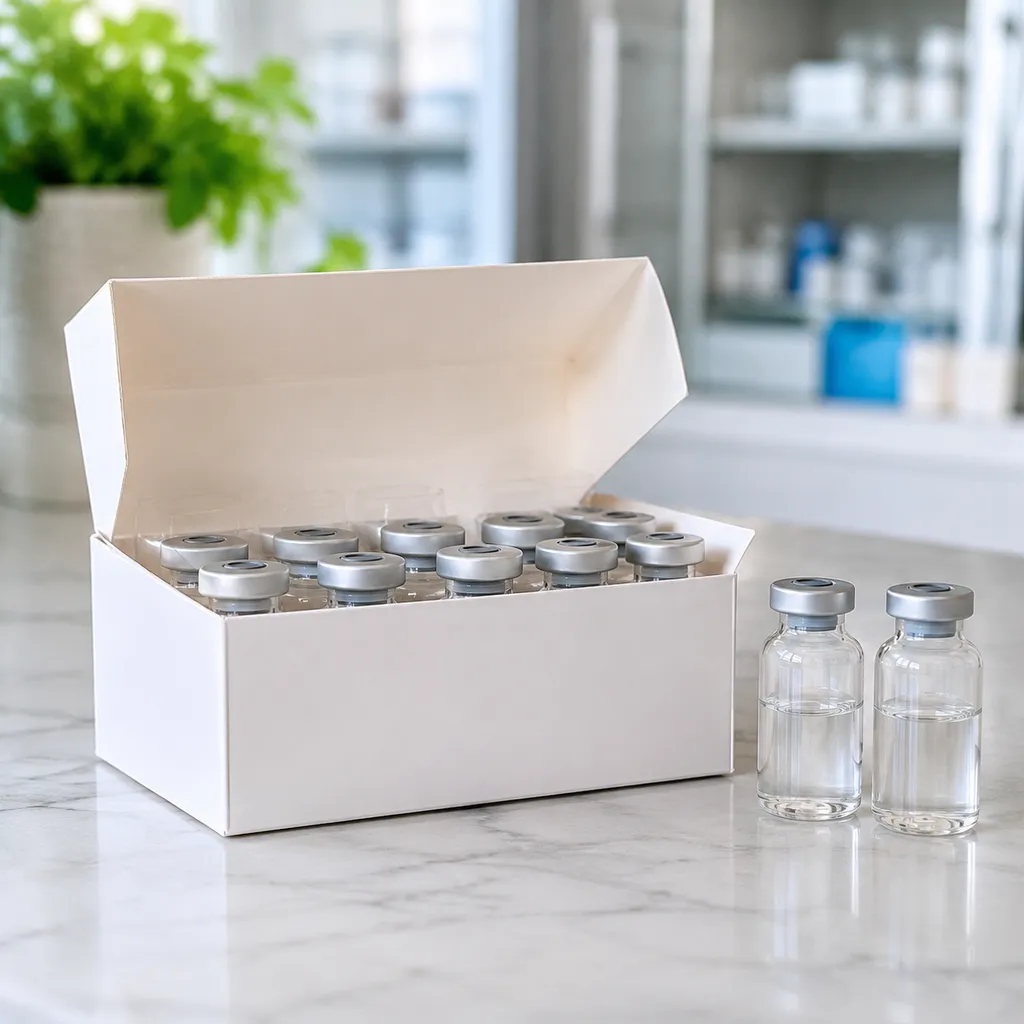
If you’re planning your medication budget, you might be wondering exactly how much does a box of rx vials cost?
It’s a question that often comes with a frustratingly vague answer, depending on your provider, insurance, and specific prescription needs.
In this guide, I’m cutting through the pharmacy confusion to show you what you should actually be paying and how to avoid overspending on your rx vials.
Let’s get right to it.
How Much Does a Box of RX Vials Cost?
Clarifying Costs: Vials vs. Medication
It is essential to distinguish between the cost of the hardware and the cost of the medicine. We are focused exclusively on the wholesale prescription vial price—the physical container and cap system—not the pharmaceutical contents.
Decoding Industry Terminology
In the supply chain, terminology dictates your budgeting strategy. Understanding the following distinctions ensures you are comparing "apples to apples" when reviewing quotes:
| Term | Definition | Impact on Cost |
|---|---|---|
| Unit | A single vial and cap set. | Used for calculating per-piece margins. |
| Box/Pack | Smaller quantities, typically for lower-volume needs. | Higher unit cost due to packaging/handling. |
| Case | Bulk industry standard, usually 250–500 units. | Most cost-effective shipping unit. |
By mastering these terms, we can better manage the bulk RX bottles cost and ensure our pharmacy supply pricing remains competitive. Precision in ordering—whether by the case or in larger palletized volumes—is the first step toward optimizing your medical container bulk pricing.
What Does “A Box of RX Vials” Actually Mean?
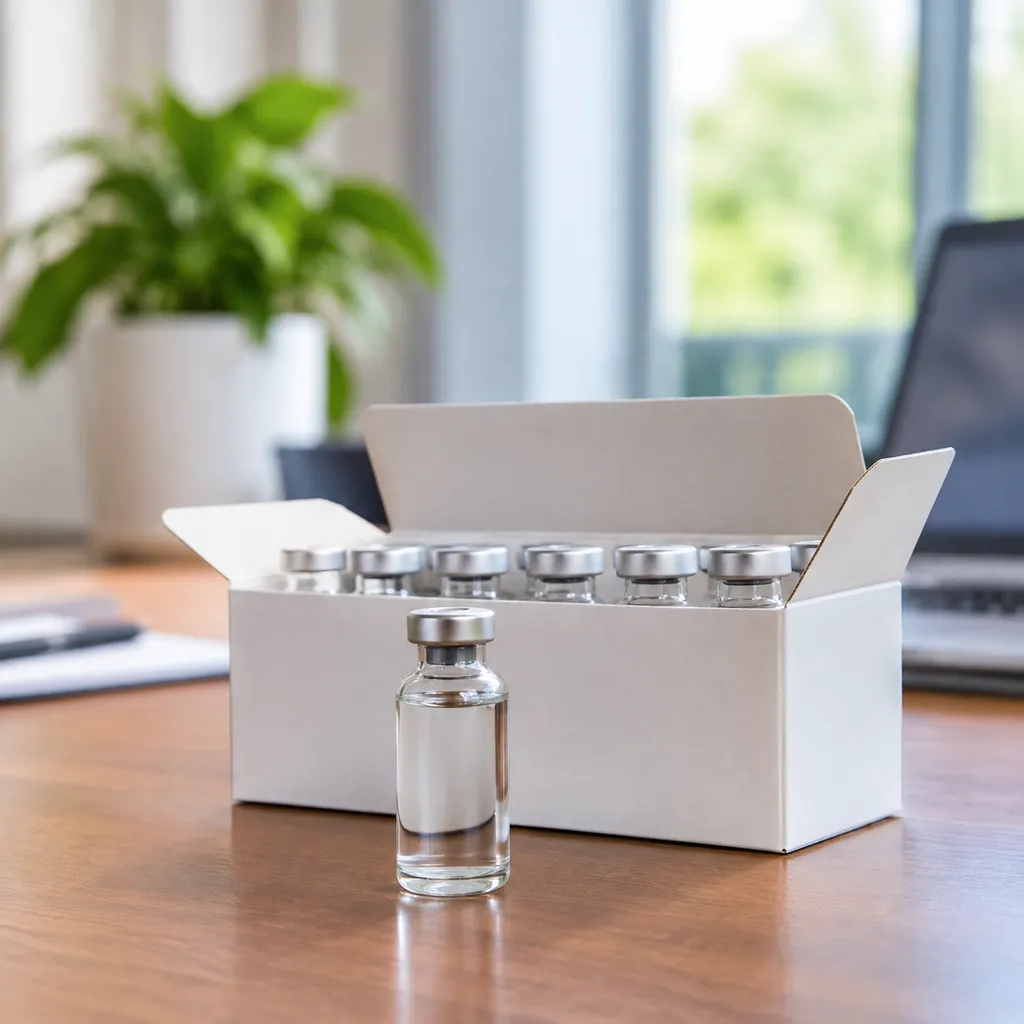
When you are sourcing pharmacy supplies, industry terminology can be confusing. It is vital to distinguish between a "box" and a "case." In most wholesale operations, a box of RX vials refers to a specific sub-unit of packaging, whereas a "case" typically represents the larger, master-packed quantity used for shipping. Depending on the manufacturer, a box might hold 100 or 500 units, while a full case could contain several thousand. Always verify these counts before finalizing your budget for empty prescription bottles wholesale to avoid unexpected logistics issues.
It is also critical to understand that you are purchasing empty, raw containers, not the finished prescription product. When you buy these materials, you are paying for the plastic components, the closure systems, and the quality assurance required for medical packaging. If you are handling specialized items, you might also be considering secondary packaging for vials to ensure your pharmacy meets strict regulatory compliance and safety standards. Knowing whether you are buying components by the box or by the case is the first step in accurately forecasting your rx vial packaging cost per unit.
Key Factors Influencing Your Total Cost
Primary Cost Drivers for Pharmacy Containers
| Factor | Impact on Pricing |
|---|---|
| Vial Capacity | Prices scale with size; 6 dram units are cheaper than 90 dram options due to material weight. |
| Material | Polypropylene (PP) is standard; High-Density Polyethylene (HDPE) or premium resin grades carry higher costs. |
| Cap Style | Child-resistant (CR) caps are standard, but reversible caps or specialized closures increase the unit cost. |
| Color/Protection | Amber vials require colorant additives; clear vials are generally more budget-friendly. |
| Order Volume | Tiered pricing applies; small batches incur higher per-unit shipping and handling fees compared to pallets. |
| Customization | Logo printing and custom labeling require setup fees but enhance brand identity. |
Material and Design Specifications
The physical design of your pharmacy supply is crucial for medical device packaging market analysis and size considerations. Material choice affects both durability and manufacturing overhead. Polypropylene is widely preferred for its rigidity and chemical resistance, while clarity choices—ranging from translucent to opaque amber—directly impact the batch cost.
Customization and Branding
Beyond the raw unit, branding is a major line item. If you require private labeling, account for initial setup costs for molds or printing plates. While these are upfront expenses, high-volume orders allow these costs to be amortized across thousands of units, significantly lowering the bulk RX bottles cost per unit. Always balance your need for aesthetics against the functional requirement of maintaining a cost-effective inventory.
Wholesale Pricing Framework and Calculations
Understanding the wholesale pricing framework is essential for managing your pharmacy supply budget. Costs fluctuate significantly based on order scale, manufacturing complexity, and shipping logistics. When sourcing vial packaging cost custom wholesale boxes, we categorize orders into three distinct tiers:
Price Tiers by Order Volume
| Order Tier | Typical Quantity | Price Efficiency |
|---|---|---|
| Small Box | 100 – 500 units | Highest per-unit cost |
| Full Case | 1,000 – 5,000 units | Baseline competitive pricing |
| Pallet Order | 10,000+ units | Maximum volume discount |
Calculating True Cost Per Vial
To determine the actual expenditure, do not rely solely on the unit price. Use the following formula:
Total Landed Cost = (Unit Price × Quantity) + Freight + Handling Fees – Volume Discounts
The "true cost" must include shipping to your specific location. A lower unit price from a distant supplier may be offset by high freight charges compared to a closer wholesale prescription vial price that includes consolidated logistics.
Factors Behind Price Variance
Even when purchasing identical quantities, two quotes can differ due to:
Production Timing: Prices can fluctuate based on current raw material costs, such as polypropylene resin prices.
Supplier Overhead: Direct manufacturers often offer better medical container bulk pricing compared to third-party distributors.
Inventory Turnover: Suppliers with faster lead times may charge a premium for ready-to-ship stock, while slower, "made-to-order" batches are often cheaper.
Freight Density: How efficiently the boxes are packed on a pallet directly influences the final shipping bill.
Price Comparison by Product Specification
When sourcing pharmacy supplies, the final cost varies significantly based on material, safety features, and branding requirements. Understanding these differences helps in budgeting for bulk RX bottles cost effectively.
The following table provides a general price comparison framework for common pharmaceutical containers:
| Specification | Typical Cost Range | Primary Use Case |
|---|---|---|
| Standard Clear Vials | Lowest | General inventory, non-light-sensitive meds |
| Amber Vials | Low-Moderate | UV-sensitive medications |
| Child-Resistant (CR) Vials | Moderate | Standard safety compliance |
| Reversible-Cap Vials | Moderate-High | Patient convenience and ease-of-use |
| Custom Printed/Private Label | Highest | Branding, pharmacy identity |
Choosing the Right Specification
- Standard Clear Vials: The most economical option for pharmacies that do not require specialized light protection. These are straightforward, cost-effective solutions for high-volume dispensing.
- Amber Prescription Vials: Essential for light-sensitive needs. While slightly higher in price than clear options, they are a non-negotiable requirement for many drug classes to ensure product stability.
- Child-Resistant (CR) RX Vials: Balancing safety and budget is vital. These are industry staples that prioritize consumer protection while remaining affordable for bulk purchases. For high-volume needs, consider pill vial packaging for child-resistant bulk vials to ensure you meet regulatory standards without overspending.
- Reversible-Cap Prescription Vials: Offering both child-resistant and non-child-resistant functionality, these represent a premium over standard caps. They provide significant value in patient satisfaction, especially for elderly demographics.
- Custom Printed Solutions: If you need to enhance your pharmacy's brand visibility, private-label solutions involve higher initial setup costs. However, they serve as a powerful marketing tool that differentiates your practice in a competitive market.
What Is Included in a Wholesale RX Vial Quote?
When you request a quote for wholesale prescription vial prices, transparency is key to avoiding unexpected fees. A professional supplier will provide a breakdown that ensures you aren't just paying for the plastic, but for the entire compliance-ready package.
Typically, your quote should explicitly include:
- Vial Bodies: The specific quantity and dram size requested.
- Caps: Whether they are child-resistant, reversible, or snap-on, these must be accounted for as part of the unit.
- Packaging Documentation: Certificates of compliance, batch numbers, and FDA-required safety documentation.
- Packaging Materials: The boxes or cases used for shipping, ensuring the product arrives undamaged.
Supplier Checklist: Questions to Ask Before You Accept
Before signing off on any medical container bulk pricing, I recommend verifying these details to ensure you are getting exactly what your pharmacy operation needs:
- Are the caps included in the final price? Never assume caps are part of the base vial cost; clarify if they are priced separately.
- What is the lead time for shipping? Understand if the inventory is ready to ship or if it requires a production run.
- Are there additional charges for freight or handling? Empty prescription bottles wholesale costs can fluctuate significantly based on shipping terms (FOB origin vs. destination).
- What are the quality control standards? Ask for confirmation that the vials meet current child-resistance standards, especially when sourcing custom vial packaging designs with inserts and compliance for specific medication needs.
- Is there a minimum order quantity (MOQ) for this price tier? Confirm that the quote reflects your specific volume to avoid post-order price adjustments.
Getting these items clearly defined in your written quote protects your bottom line and keeps your procurement process professional and predictable.
Calculating the Real Cost of Ownership

When you evaluate the wholesale prescription vial price, it is easy to focus solely on the sticker price per unit. However, as an experienced manager, I know that the true cost of ownership often hides behind these initial numbers. To protect your margins, you must distinguish between the advertised unit cost and the final landed cost.
The landed cost represents every expense incurred to get your medical container bulk pricing order from the manufacturer to your pharmacy shelf. Relying on the base price leads to inaccurate budget forecasting. Use this framework to calculate your actual investment:
- Unit Cost: The base price per vial plus the cap. Always verify if the quote includes both, as separate components can lead to unexpected billing.
- Shipping Fees: Freight costs are significant for bulky items. Because vials are lightweight but take up space, dimensional weight often drives up shipping costs.
- Inventory Carrying Costs: Consider the space required to house your stock. Investing in efficient plastic vial trays for pharma lab storage and transport can optimize your storage density and reduce the footprint of your pharmacy supply inventory.
- Handling and Storage: Factor in the labor required to move, unpack, and organize bulk shipments.
- Lead Time Impact: If you run out of stock, the cost of expedited shipping or lost business far outweighs any savings gained from a lower purchase price.
By factoring in these hidden variables, you gain a transparent view of your RX vial packaging cost per unit. This approach ensures your procurement strategy is based on actual profitability rather than just a low initial invoice.
Pro Tips for Finding the Best Wholesale Pricing
Follow these professional strategies to optimize your pharmacy supply budget:
- Standardize Specifications: Compare apples to apples. When requesting quotes, specify the exact dram size, cap style, and material quality to ensure you are comparing equivalent products across different suppliers.
- Request Tiered Pricing: Always ask for volume-based pricing breaks. Many suppliers offer significant discounts when you move from small batches to full pallet orders.
- Validate Before Buying: Never commit to a bulk order without testing samples. Confirm that the cap fit and plastic durability meet your pharmacy’s standards to avoid product waste.
- Consolidate Logistics: Shipping costs are a major component of medical container bulk pricing. Combine your orders for different vial sizes into a single shipment to reduce freight and handling fees.
Wholesale Cost Optimization Summary
| Strategy | Primary Benefit |
|---|---|
| Tiered Volume Pricing | Lowers per-unit cost on high-rotation items |
| Sample Validation | Prevents costs associated with returns and inferior quality |
| Freight Consolidation | Reduces total landed cost per case |
| Unified Specification | Ensures accurate price comparison between vendors |
When sourcing specialized requirements, exploring custom glass vial packaging options for bulk orders can often provide a more durable solution if your inventory needs go beyond standard plastics.
Are Cheap RX Vials Always the Best Choice?
When sourcing bulk RX bottles, it is easy to fall into the trap of prioritizing the lowest unit cost. However, in the pharmacy business, "cheap" often translates into hidden long-term expenses that far outweigh initial savings. Your reputation and your patients' safety depend on the reliability of your wholesale prescription vial packaging.
Risks of Prioritizing Low-Grade Packaging
Selecting the cheapest available option frequently leads to compromised material standards. Inferior plastic may appear sufficient at first glance, but it often fails under real-world pharmacy conditions:
- Brittle Plastic: Low-quality resins are prone to cracking during transport or, worse, while in the hands of a patient. A fractured bottle not only ruins the medication but also creates a liability issue for your pharmacy.
- Poor Cap Fit: The integrity of a medical container relies entirely on the seal. If the threads are poorly molded, the cap may not seat correctly, failing to provide the expected moisture barrier or security.
- Inconsistent Manufacturing: Lower-tier suppliers may have wider tolerance variations, leading to jamming issues in automated filling lines or difficulty when applying custom labels.
The Real Impact on Your Bottom Line
Investing in quality pharmacy supply pricing is a form of risk management. A batch of brittle vials leads to higher spoilage rates, lost time re-packing prescriptions, and potential negative feedback from patients who experience faulty caps.
Ultimately, the best value isn't the lowest price—it's the price that balances affordability with structural integrity. When you choose durable, well-manufactured containers, you ensure the medication remains secure from your shelf to the patient’s home, protecting both your professional standards and your profit margins.
Buying RX Vials in Bulk From Jiahua Package
At Jiahua Package, we streamline the procurement of pharmacy supplies by offering direct-to-business manufacturing and customization. Whether you need standard amber containers or specialized packaging, our team focuses on matching high-quality production with your specific volume requirements.
Our Customization and Packaging Capabilities
We provide extensive options to align your packaging with your branding needs and functional requirements.
| Service | Description |
|---|---|
| Material Options | High-grade HDPE or Polypropylene for durability. |
| Branding | Custom logo printing and private-label design services. |
| Cap Variety | Options include child-resistant, reversible, and snap-on styles. |
| Packaging | Secure, sterile-compliant bulk boxing to ensure integrity. |
For operations requiring advanced workflows, we also provide a detailed vial packaging process guide for pharmaceutical lines to help you integrate our containers seamlessly into your filling equipment.
Information Needed for a Fast Quote
To get an accurate price on your bulk RX bottles, include these details in your inquiry:
- Vial Size: Specify dram capacity (e.g., 6, 13, 20, 30, 40, or 60 dram).
- Cap Preference: Let us know if you need child-resistant or reversible caps.
- Order Volume: Provide the total number of cases or units required for tier pricing.
- Customization: Mention if you require private labeling or custom colors.
- Shipping Destination: Essential for calculating landed costs accurately.
Step-by-Step Quotation Process
- Submit Request: Use our contact form to send your specifications and quantity requirements.
- Consultation: Our team reviews your needs to suggest the most cost-effective medical container bulk pricing.
- Sample Verification: We send product samples to ensure the quality and fit meet your pharmacy’s standards before committing to a full production run.
- Final Order: Once confirmed, we move your request to production and provide a lead-time estimate for delivery.
Frequently Asked Questions About Prescription Packaging
Managing pharmacy supply procurement requires clear answers. Below are common inquiries regarding wholesale prescription vial pricing and logistics.
How many RX vials are in a box?
Quantities vary significantly based on the dram size. A standard case typically holds between 200 and 500 units for larger 60-dram sizes, while smaller 6-dram vials may be packed in quantities of 1,000 or more per case. Always verify the specific case count on your supplier’s technical data sheet.
How much does a case of empty prescription bottles cost?
Costs fluctuate based on volume and material. On average, you can expect to pay anywhere from $40 to $120 per case, depending on the bottle size, cap type, and whether you are sourcing high-grade polypropylene or standard HDPE.
Are amber RX vials more expensive than clear vials?
Generally, yes. Amber plastic incorporates light-blocking pigments required for UV protection, which slightly increases the manufacturing cost compared to standard clear prescription vials.
Do RX vial prices include caps?
Most wholesale quotes bundle the vial and the cap together. However, always confirm this explicitly, as some premium reversible or specialized child-resistant closures may be sold separately or as a specific kit configuration.
Are child-resistant prescription vials required?
In many jurisdictions, including the United States, the Poison Prevention Packaging Act mandates that most oral prescription medications be dispensed in child-resistant packaging. Always verify your local regulatory requirements.
Can I order a small quantity of RX vials?
While you can purchase small quantities, unit costs are almost always higher due to shipping and handling overhead. Buying by the full case or pallet-load is the most efficient way to reduce your average prescription vial packaging cost per unit.
Can RX vials be custom printed?
Yes, custom branding is common for pharmacies looking to improve patient recognition. You can often choose from custom printed packaging solutions to include your pharmacy logo directly on the vial or the outer box.
What is the cheapest way to buy prescription vials?
The most cost-effective approach is to purchase in bulk, consolidate your orders to minimize freight fees, and establish a long-term supply agreement with a reliable prescription bottle wholesale supplier. Buying standard, non-customized stock items in full pallet quantities consistently provides the lowest price point.
Final Buying Checklist
Before finalizing your purchase of wholesale prescription vials, ensure you have systematically reviewed these key decision points to guarantee the best value and operational efficiency. Use this summary to streamline your procurement process and avoid common pitfalls in medical container bulk pricing.
- Define Specifications: Confirm the exact dram size, material (HDPE or Polypropylene), and closure type (child-resistant vs. reversible) required for your specific pharmacy workflow.
- Verify Quantities: Distinguish between unit, box, and case quantities to calculate an accurate prescription vial packaging cost per unit.
- Assess Total Landed Cost: Request a quote that includes shipping, handling, and potential storage fees, rather than focusing solely on the base product price.
- Sample Quality Check: Always order samples to test cap functionality and plastic durability before committing to a full pallet-load order of bulk RX bottles.
- Tiered Pricing Inquiry: Ask suppliers for price breaks based on higher volume tiers to optimize your pharmacy supply pricing.
- Customization Requirements: If branding is necessary, clarify setup fees for custom printing or private labeling early in the communication phase.
- Documentation and Compliance: Ensure all medical glass vial packaging or plastic containers meet regional regulatory safety standards.
- Lead Time Planning: Coordinate order timing with your current inventory depletion rates to avoid rush shipping premiums or stockouts.
By following this checklist, you ensure that every order of empty prescription bottles wholesale aligns with your business budget and patient safety requirements.