Formula details
Product Details
Overview
What Is Botox Vial Packaging?
Botox vial packaging is a specialized, multi-tiered containment system engineered to protect sensitive botulinum toxin formulations from physical damage, light degradation, and microbial contamination.
Core Components of Aesthetic Injectable Packaging
We engineer complete packaging assemblies built around four critical layers:
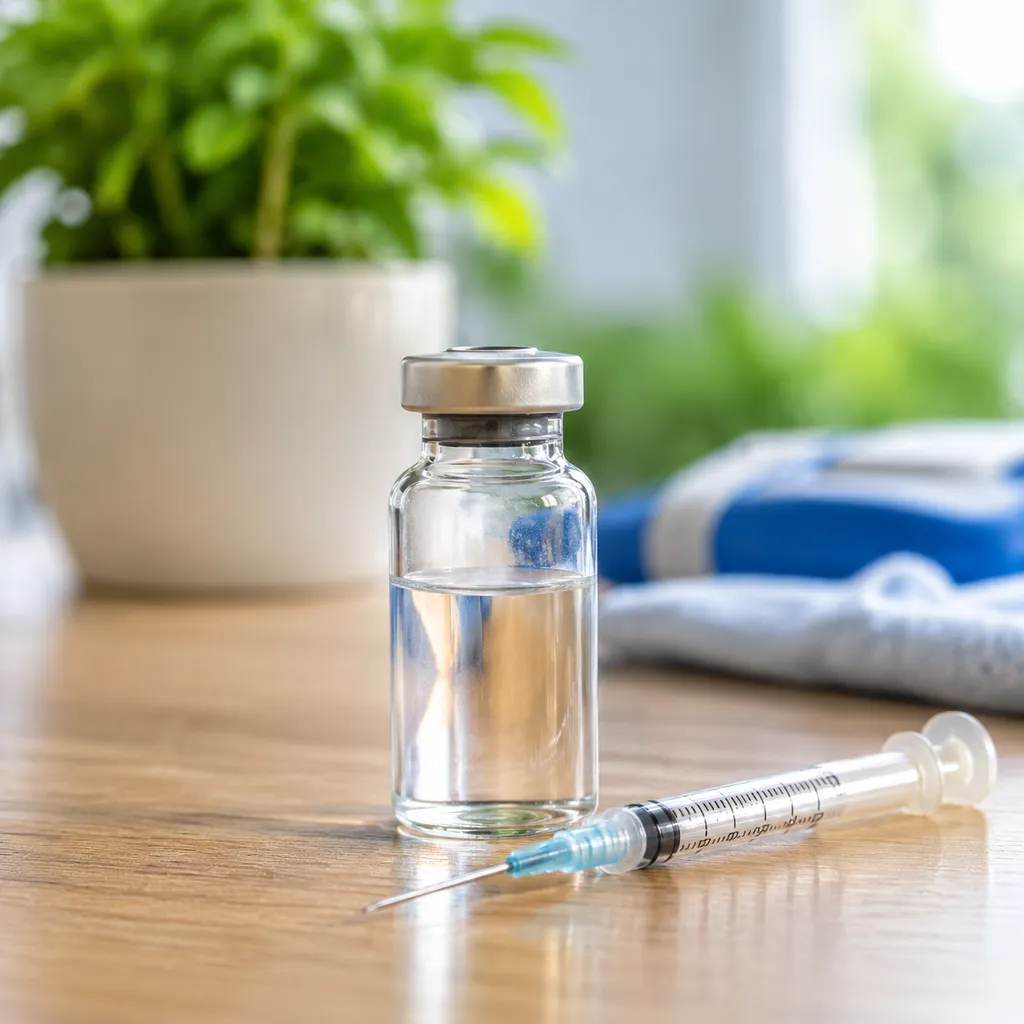
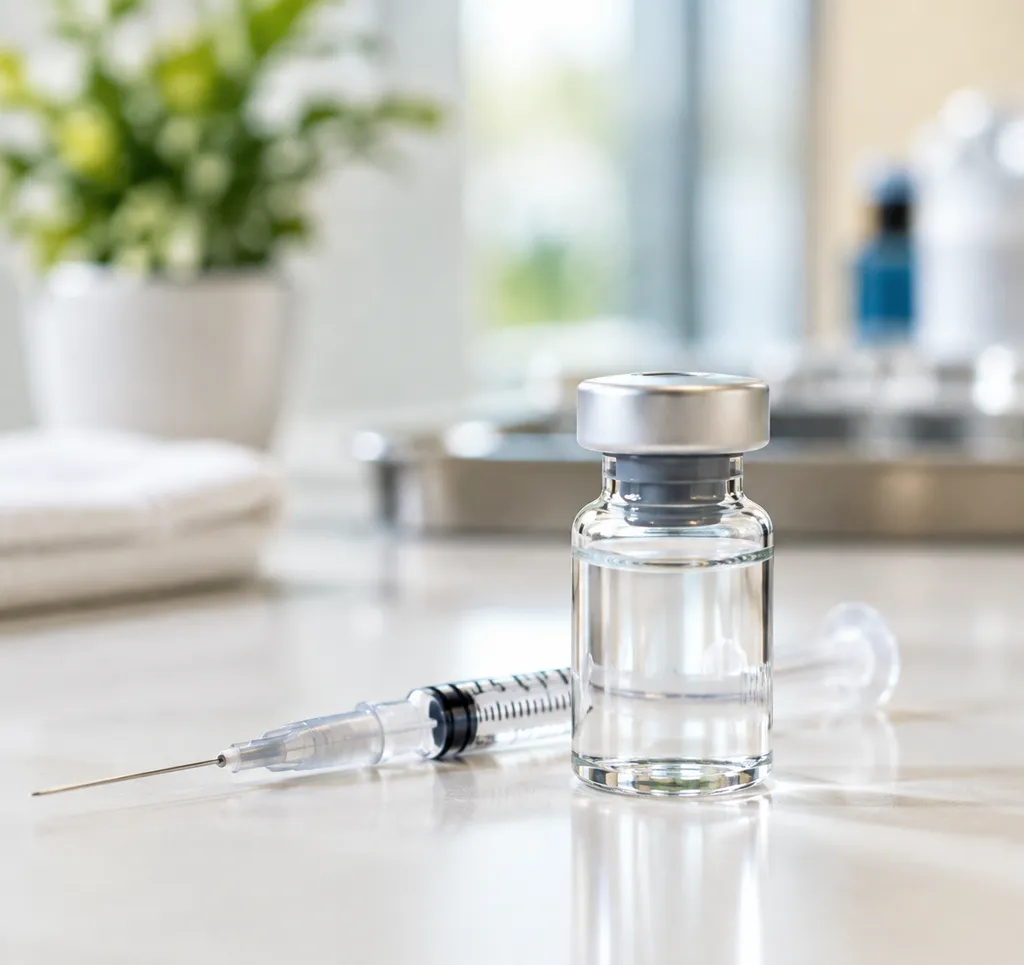
- USP Type I Borosilicate Glass Vial: The foundation of the system. Chemically inert and thermally resistant, it prevents chemical leaching and maintains drug potency during lyophilization and storage.
- Chlorobutyl or Bromobutyl Rubber Stopper: Forms an airtight, moisture-impermeable barrier that prevents gas exchange and reseals effectively during clinical reconstitution.
- Aluminum-Plastic Flip-Off Crimp Cap: Secures the rubber stopper under calibrated tension, providing clear tamper evidence before initial puncture.
- Protective Outer Folding Box: High-density, medical-grade paperboard that shields the inner vial from ambient UV light, physical drops, and rough handling during transit.
Primary vs. Secondary Packaging Roles
| Packaging Level | Primary Components | Core Functions |
|---|---|---|
| Primary Packaging | Borosilicate vial, rubber stopper, crimp seal | Direct product contact, sterile barrier integrity, non-reactive environment, vacuum maintenance for reconstitution |
| Secondary Packaging | Outer box, internal support tray, leaflet insert | Impact dampening, light shielding, cold-chain compatibility, compliance labeling, anti-counterfeiting tracking |
Standard Capacity Sizes and Formats
Botulinum toxin packaging is standardized around therapeutic dosage requirements, accommodating varying fill volumes and powder cakes:
- 50 Units Format: Typically housed in compact 2 ml to 3 ml tubular vials. Designed for targeted cosmetic touch-ups, requiring minimal box footprints to optimize cold-storage density in clinic refrigerators.
- 100 Units Format: The global standard for aesthetic treatments, utilizing standard 2 ml to 5 ml vials. Outer boxes feature custom inserts to lock the single vial securely in the center.
- 200 Units Format: Designed for high-volume cosmetic and therapeutic procedures, frequently packaged in 5 ml to 10 ml containers or configured in multi-vial master packs with integrated diluent channels.
Essential Protection Features for Botox Vials
UV-Barrier Paperboard and Light Shielding
Sunlight and ambient clinical lighting can compromise unmixed neurotoxin formulations.
- Dense Solid Bleached Sulfate (SBS) Board: Blocks 99% of visible and UV light penetration.
- Protective Barrier Coatings: Specialized outer varnishes prevent light degradation without adding bulky outer layers.
- Dark Interior Printing: Absorbs ambient light leaks to protect glass vials housed inside tuck cartons.
Shockproof Inserts: EVA Foam vs. Molded Pulp
Vibration during transit can cause micro-fissures in glass vials or dislodge stoppers. We customize our vial box with inserts to lock each unit firmly in place.
| Feature | High-Density EVA Foam | Recyclable Molded Pulp Trays |
|---|---|---|
| Impact Absorption | Maximum; absorbs severe drops and shocks | Moderate; prevents glass-on-glass contact |
| Aesthetic Presentation | Clean, velvet-laminated, luxury clinical finish | Eco-friendly, organic matte texture |
| Dust & Particle Control | Zero lint, non-shedding, cleanroom safe | Requires surface coating to eliminate fibers |
| Sustainability | Reusable, non-biodegradable | 100% biodegradable and curb-side recyclable |
For high-volume distribution and rigid handling, sterile pharmaceutical trays and engineered cavities ensure each vial neck remains stationary, eliminating crimp seal friction.
Cold Chain Shipping Compatibility
Botox typically requires strict refrigerated storage between 2°C and 8°C, or sub-zero freezing. Standard paper boxes soften and warp when exposed to condensation inside insulated shipping containers.
- Moisture-Resistant Coatings: Water-resistant aqueous and PE barrier layers prevent carton sogginess during ice pack thawing.
- Thermal Contraction Tolerance: Box adhesives and foam materials maintain tensile strength without cracking in deep-freeze environments (-20°C).
- Compact Footprint: Slim structural profiles allow clinics to fit maximum units into small medical refrigerators and standard cold chain shippers.
Moisture Control and Sterile Barrier Integrity
Secondary packaging shields the primary sterile barrier from puncture, humidity, and airborne contaminants. We implement precise die-cut tolerances that isolate the flip-off cap, ensuring the butyl stopper seal remains intact and contamination-free until the clinician prepares the injection.
Security and Anti-Counterfeiting Packaging Solutions
Illegitimate injectables threaten patient safety and destroy brand credibility overnight. We integrate multi-layered defense mechanisms directly into your botox vial packaging to stop tampering, deter gray-market diversion, and guarantee clinic-level authenticity.
Tamper-Evident Physical Barriers
Physical indicators give practitioners immediate, visual proof that a package remains untouched:
Tear Strips & Void Labels: Outer cartons feature fiber-tearing pull tabs or destructible "VOID" film stickers that leave permanent patterns if peeled.
Heat-Shrink Neck Bands: Transparent or branded polymer sleeves lock the primary cap assembly to the neck, preventing illicit refilling.
Integrated Seal Systems: Pair robust secondary cartons with our primary and secondary packaging for vials to ensure end-to-end chain of custody from production line to clinic storage.
Overt & Covert Optical Security
High-security visual cues help distributors authenticate stock quickly without specialized lab tools:
Holographic Security Seals: Multi-spectrum 3D holograms featuring custom logos, kinetic movement, and hidden covert images that counterfeiters cannot photocopy.
Micro-Embossing: Ultra-fine tactile relief patterns pressed into the paperboard surface, providing instant texture validation impossible to replicate on standard desktop printers.
Digital Track-and-Trace Serialization
Digital integration turns standard packaging into a secure, verifiable asset across global supply routes:
Serialized QR Codes: Unique, variable data codes assigned to every individual carton allow injectors to scan with a smartphone and confirm real-time batch authentication and expiration status.
Smart RFID Inlays: Ultra-thin RFID tags embedded between box layers enable automatic, contactless inventory audits and streamline cold chain distribution logging.
Custom Security Seals: For full brand verification across single-vial and multi-vial presentations, pairing digital codes with custom labels and boxes stops parallel imports before they hit treatment rooms.
Tamper-Evident Flip-Off Vial Caps
Primary containment requires zero-tolerance sealing at the injection point:
Flip-Off Crimp Seals: Medical-grade aluminum collars combined with plastic top discs detach with a clean snap, exposing the butyl rubber stopper while leaving permanent deformation that prevents re-crimping.
Custom Embossed Caps: Molded brand markers or custom colors on the plastic bridge confirm genuine factory origin before the needle ever punctures the membrane.
Custom Outer Box Styles and Finishes

Box Structures: Tuck-End Cartons vs. Rigid Two-Piece Gift Boxes
Selecting the right carton format depends on distribution volume, storage constraints, and brand tier:
- Straight and Reverse Tuck-End Boxes: Manufactured from high-density folding boxboard (FBB) or SBS paperboard (ranging from 300 to 450 gsm). These offer a lightweight, cost-effective, and flat-shipping solution ideal for high-throughput automated filling lines and refrigerated stockrooms. To plan your production budget, explore our breakdown on vial packaging cost custom wholesale boxes with inserts to evaluate board weights and volume pricing.
- Luxury Rigid Two-Piece Set-Up Boxes: Built from 1.5mm to 2.5mm heavy greyboard wrapped in fine specialty paper. These provide superior crush resistance during cold-chain courier transport and create a distinguished, premium unboxing experience favored for flagship aesthetic injectable brands.
| Feature | Folding Tuck-End Box | Rigid Two-Piece Box |
|---|---|---|
| Material Base | 300–450 gsm Medical Paperboard | 1000–1800 gsm Greyboard + Art Wrap |
| Crush Resistance | Moderate (Standard clinical handling) | Exceptional (Heavy external impact protection) |
| Shipping Footprint | Ships completely flat (Saves space) | Ships pre-assembled (Higher freight footprint) |
| Best Application | High-volume distribution, multi-packs | Premium clinics, aesthetic flagship product lines |
Exterior Finishes: Aesthetic Appeal and Functional Durability
Surface finishes do more than attract attention; they protect the box exterior from condensation, handling oils, and damp cold-storage environments.
- Soft-Touch Matte Lamination: Delivers a velvety tactile feel while forming a protective barrier that resists moisture transfer when transitioning in and out of clinical refrigeration.
- Spot UV Coating: Highlights key identifiers such as unit strengths (50U, 100U, 200U) or brand marks with high-gloss contrast against a non-reflective matte backdrop.
- Metallic Foil Stamping: Applied via heat transfer in gold, silver, or holographic foils to deter casual packaging replication while reinforcing a premium medical aesthetic.
Functional Structural Layouts: Multi-Vial and Diluent Kit Packaging
Standard single-vial boxes cover daily inventory needs, but multi-component procedures require dedicated organizational formats. When managing multiple inventory batches, our compact vial packaging boxes for secure sample storage provide organized containment without wasting space in clinical freezers.
- Multi-Vial Organizer Cartons: Fitted with custom partitioned paperboard grids or precision foam beds to pack 5 to 10 vials per unit, preventing glass-to-glass contact during bulk transport.
- Diluent and Reconstitution Kits: Dual-cavity box designs engineered to hold the lyophilized botulinum toxin vial alongside the sterile 0.9% sodium chloride diluent vial and reconstitution syringe components within a single, secure footprint.
Clear Window Cutouts vs. Fully Enclosed Protective Cartons
Deciding between open-view and solid cartons comes down to light sensitivity versus immediate vial verification:
- Fully Enclosed Protective Cartons: The recommended industry standard for botulinum toxin. Solid paperboard walls block direct ambient UV radiation and light, protecting the delicate active neurotoxin protein chains from degradation before preparation.
- PET/PVC Clear Window Cutouts: While convenient for checking batch barcodes and flip-off cap colors without opening the outer seal, transparent windows expose the product to clinic lighting. For light-sensitive active ingredients, we utilize UV-filtered, scratch-resistant plastic film or maintain fully enclosed box configurations paired with external serialized labeling.
Labeling and Compliance Requirements for Botox Vial Packaging
Regulatory clearance and clinic safety depend on clean, accurate labeling. When we engineer botox vial packaging, we treat labeling as both a legal barrier and an operational safeguard for injectors, distributors, and compliance auditors.
| Requirement | Function | Industry Standard |
|---|---|---|
| Unit Strength | Eliminates dosing errors (50U, 100U, 200U) | High-contrast bold typography |
| Traceability Data | Tracks batch lineage and recall data | Variable thermal-printed Lot & Expiration |
| Storage Warnings | Prevents protein denaturing | Clear 2°C–8°C cold chain indicators |
| Peel-Off Barcodes | Fastens into patient medical charts | Dual-layer piggyback adhesive labels |
Double-Layer Peel-Off Labels for Clinical Records
Aesthetic clinics require speed and absolute charting accuracy. We integrate multi-layer piggyback labels directly onto the primary vial body. During treatment, the clinician peels off the secondary adhesive tab containing the batch number, expiration date, and serial code, sticking it directly onto the patient's record or electronic health record (EHR) paper intake sheet. This eliminates manual transcription mistakes and maintains full traceability for every unit injected.
Meeting Global Regulatory Standards
Aesthetic injectables face rigorous scrutiny across borders. Our production line aligns secondary cartons and primary labels with critical international benchmarks:
- FDA 21 CFR Part 211: Strict label control to prevent cross-contamination or mislabeling during batch packaging runs.
- ISO 15378 Certification: Application of cGMP standards specifically developed for primary packaging materials of medicinal products.
- ISO 13485 Compliance: Quality management systems ensuring consistent dimensional accuracy and print durability.
When developing compliant secondary cartons, adhering to proper custom vial packaging design with inserts and compliance guarantees that your outer box dimensions meet regional packaging regulations without compromising barrier performance.
Multi-Language IFU Leaflet Integration
Global distribution requires comprehensive Instructions for Use (IFU) leaflets printed in multiple languages. Rather than loose-packing sheets that can crush or shift, our cartons feature dedicated partition slots and interior leaflet sleeves. This structural design secures folded documentation away from the vial crimp seal, protecting the primary sterile barrier while ensuring instant access when the package is opened.
Sustainable Materials for Modern Botox Packaging

FSC-Certified Paperboard and Biodegradable Kraft
We manufacture our outer cartons using verified FSC-certified medical paperboard and unbleached kraft paper. These options provide:
High burst strength: Protects fragile glass vials against side impacts and crushing during freight.
Low environmental load: Sourced from responsibly managed forests and 100% recyclable in standard municipal paper streams.
Refined presentation: Delivers a clean, smooth surface for high-resolution clinical labeling without artificial plastic coatings.
Plant-Based Inks and Water-Based Finishes
Standard petroleum-based inks and heavy synthetic laminates complicate carton recycling. We use sustainable alternatives on all custom injectable vial boxes:
Soy and vegetable-based inks: Provide sharp contrast and deep color saturation for regulatory text and batch codes, emitting near-zero volatile organic compounds (VOCs).
Aqueous protective coatings: Non-toxic water-based sealers that protect printing from friction, moisture, and alcohol wipes without preventing pulp repulpability.
Recyclable Thermoformed Trays vs. Biodegradable Inserts
Selecting the right botox vial tray inserts depends on your cleanroom requirements and supply chain conditions.
| Insert Specification | Recyclable Thermoformed Trays | Biodegradable Foam Inserts |
|---|---|---|
| Material Base | Medical-grade rPET / PETG | Bio-based starch or PLA foam |
| Particulate Shedding | Zero particulate risk; ideal for sterile environments | Extremely low; suitable for dry secondary packs |
| Moisture Resistance | Fully waterproof; stable inside cold-chain transit | Vulnerable to prolonged condensation |
| Disposal Pathway | Standard curbside plastic recycling (RIC 1) | Industrial or commercial composting |
| Primary Application | Precision-fit nesting for vials and diluents | Cushioning shock protection in outer transit packs |
For strict cleanroom applications where fiber shedding must be avoided, our custom thermoformed medical trays deliver structural rigidity while remaining fully recyclable.
Balancing Medical Hygiene with Sustainability
Medical-grade safety always comes first. Secondary botulinum toxin packaging does not require over-engineering with non-recyclable materials to maintain safety. We balance regulatory compliance with sustainable design by placing clean, particle-free polymers inside the primary pack while transitioning the outer secondary folding cartons and shippers entirely to renewable, compostable, or curbside-recyclable stocks.
Botox Vial Packaging FAQs
What type of glass is required for primary botox vial packaging?
Botulinum toxin formulas require USP Type I borosilicate glass. This neutral glass provides high chemical durability, prevents alkali leaching, and keeps the active neurotoxin stable during storage and reconstitution. We recommend pairing it with chlorobutyl or bromobutyl rubber stoppers to maintain an airtight, sterile seal. If you are scaling production, evaluate our custom glass vial packaging options for bulk orders to match strict medical container specifications.
How do custom inserts prevent breakage during high-speed shipping?
Vials crack when they rattle, collide, or absorb direct shock. We engineer custom interior trays using two primary materials:
High-density EVA foam: Precision CNC-cut cavities grip the neck and base of each container, isolating the glass from drops and side impacts.
Molded thermoformed PET or pulp trays: Snug snap-in channels hold the vials upright and separate them from diluent vials or accessories, dampening vibration along mechanized sorting lines.
Can secondary packaging maintain cold chain temperatures?
Secondary packaging alone does not generate refrigeration, but it acts as a critical thermal buffer. When designed with insulated paperboard linings or dense foam inserts, secondary boxes shield botox vials from sudden temperature spikes during brief handling transitions. For full logistics protection, these boxes fit inside validated cold chain shipping shippers lined with phase change materials (PCMs) or dry ice packs to keep products between 2°C and 8°C.
What are the minimum order quantities (MOQ) for custom-printed vial boxes?
Production minimums depend on box architecture and finishing techniques:
Standard folding cartons: Typically start at 1,000 units for standard CMYK print runs.
Rigid setup boxes and specialty multi-packs: Generally require an MOQ of 500 to 1,000 units due to manual assembly and custom insert tooling.
High-volume automated lines: Deliver the lowest per-unit cost on runs exceeding 5,000 units.
How do clinics verify authentic packaging from counterfeit injectables?
Aesthetic practices verify genuine shipments by inspecting multi-layered security markers on the outer box and primary container:
Tamper-evident seals: Void-pattern adhesives or destructible paper labels tore visibly across the opening flaps.
Micro-text and optical holograms: Rainbow interference graphics embedded directly onto the cartons that cannot be photocopied.
Serialized 2D DataMatrix/QR codes: Unique batch IDs printed on both the box and the vial label that clinics scan against distributor verification databases. For detailed verification steps, review our Allergan Botox vial packaging authenticity guide.